

A new chapter for USask’s cultural heritage: Libraries, museums, galleries, and the Diefenbaker Canada Centre come together
This week marks the beginning of a new chapter for USask’s cultural heritage community. Effective May 1, 2026, the university’s museums, galleries, and the Diefenbaker Canada Centre join the University Library to form a unified cultural heritage organization.
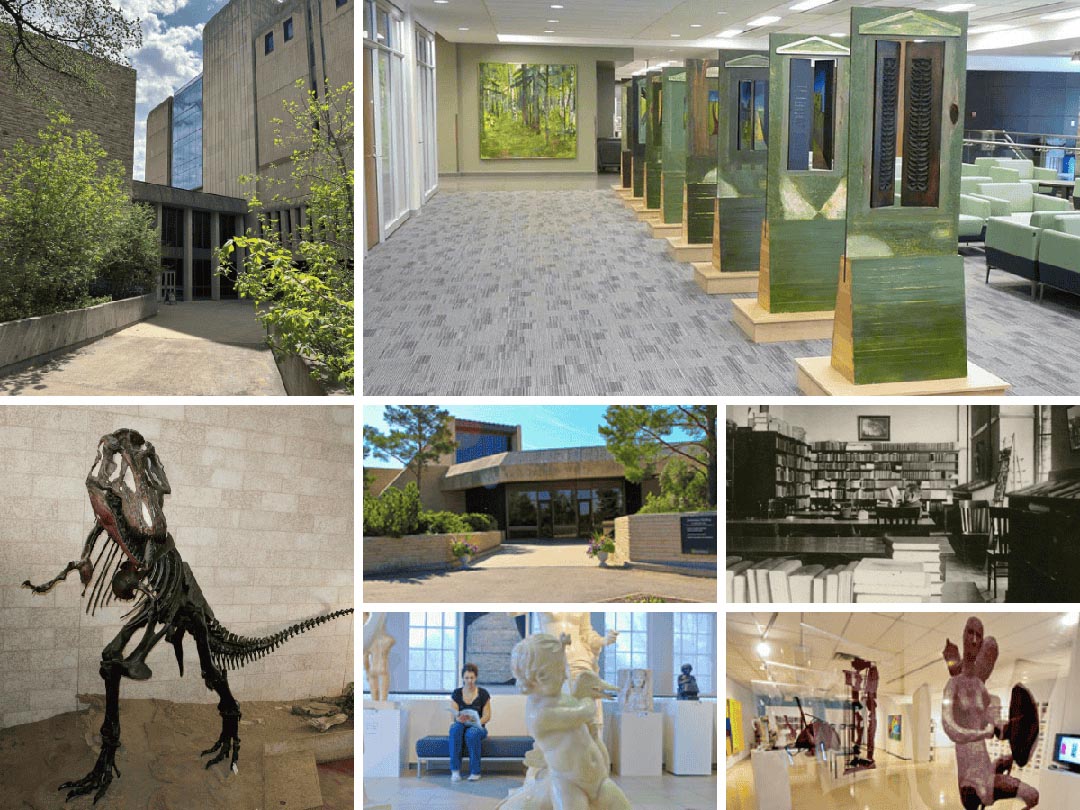
By Library CommunicationsTogether, the Museum of Natural Sciences, Museum of Antiquities, College Art Galleries, Gordon Snelgrove Gallery, Kenderdine Art Gallery, the Diefenbaker Canada Centre, and USask Library will create a connected ecosystem that supports teaching, learning, research, and engagement both on campus and beyond.
To learn more about how this change will benefit students, faculty, staff, and the Saskatoon community, we spoke with Dr. Lori Birrell (EdD), Dean of Libraries, who will lead this new entity.
How will this new structure enhance teaching, research, and student learning across the university?
Bringing the university’s cultural heritage units together opens up exciting new opportunities for collaboration with faculty and students. These collections are inherently interdisciplinary, and when you combine them with the expertise of the teams, they can spark entirely new modes of discovery in support of research and learning.
We’re already seeing what’s possible. For example, students in a recent sculpture class drew inspiration from displays and collections in both the Museum of Natural Sciences and the Museum of Antiquities. The resulting exhibition of student artwork demonstrated how powerful it can be to put collections, and ideas, into conversation with one another. This kind of integration makes it easier to imagine many more teaching and research experiences like this across campus.
What led to the decision to bring USask’s libraries, museums, galleries, and the Diefenbaker Canada Centre together into a unified cultural heritage organization?
A desire to elevate and coordinate the work of USask's museums and galleries was at the heart of this decision. These units are already doing incredible work and bringing them together into a unified cultural heritage organization allows us to think more strategically about how we support research, outreach, and teaching across the university.
This structure also expands the community of practice for our staff. It creates opportunities for shared approaches, consistent and networked services, and learning from one another in new ways. Importantly, the timing means museums and galleries staff can fully participate in the Library’s upcoming strategic planning process, helping to shape a shared future right from the outset.
What does this integration mean for the unique identities and expertise of the individual units involved?
We know that each unit has a unique identity within our community. Those identities are built on deep staff expertise and long-standing relationships with visitors, researchers, instructors, and students.
This integration isn’t about flattening those differences but about amplifying the work, strengths, and impact of each unit, while respecting their distinct histories and mandates. By working together more intentionally, we can offer a more cohesive and enriched visitor experience that highlights the distinct strengths of each unit, while also making it easier for people to discover and engage with everything we have to offer.
How will students, faculty, and the broader Saskatoon community experience the benefits of this change?
Our conversations so far have surfaced a lot of exciting possibilities for how people will experience the benefits of this change. One of the first cross-unit collaborations following the integration will be participation in the city’s Pride Market and related events.
Connecting collections and expertise with meaningful community events like this is a great way to raise awareness and invite people in. Whether someone is a student, a faculty member, or a member of the broader Saskatoon community, this integration helps make our cultural heritage more visible, accessible and engaging.
As you take on leadership of this new entity, what excites you most about the opportunities ahead for USask’s cultural heritage?
The nearly endless opportunities to support interdisciplinary teaching and research are what excite me most about what lies ahead. I imagine so many potential discoveries made possible by placing objects from these collections “in conversation” with one another – guided by our staff expertise and brought to life through dynamic gallery spaces and virtual platforms.
Having previously overseen university museums and galleries in my role as Associate Dean at the University of Delaware, I’ve seen firsthand what’s possible when these kinds of cultural heritage organizations come together. We’ll also be learning from peer institutions as we move forward, especially at a moment when we’re building a strategic plan that will help us support USask’s mission and grow together.
As this new cultural heritage organization takes shape, the focus will be on collaboration, shared learning, and thoughtful integration. While the transition will be a process, it’s one grounded in excitement, curiosity, and a shared commitment to connecting people with knowledge, history, and creativity in meaningful new ways.