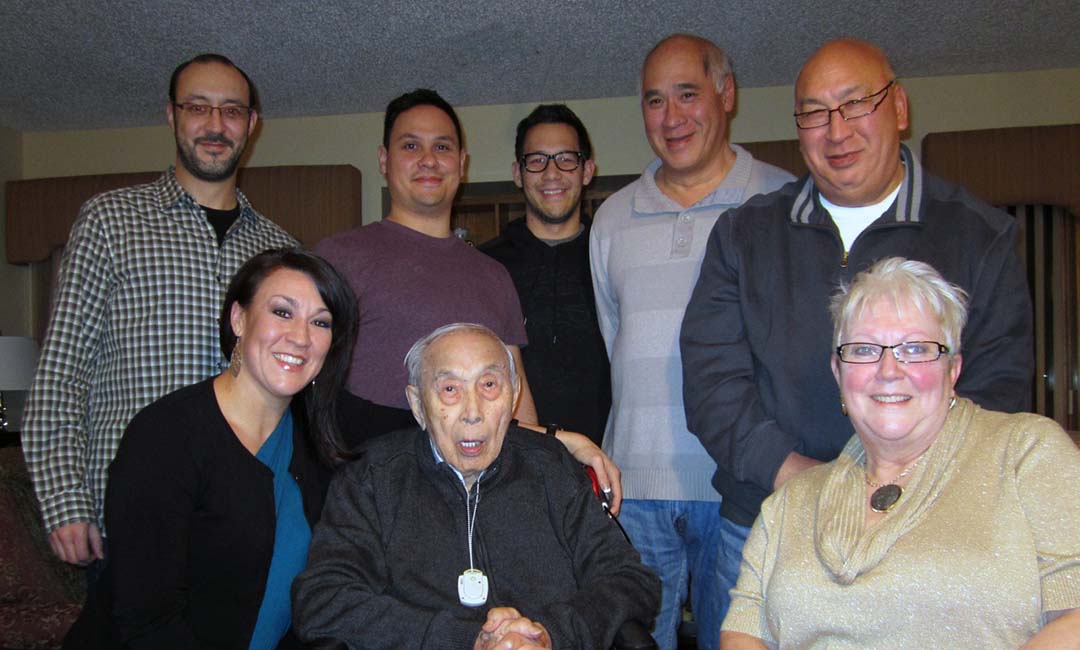
Full Circle: Shannon Chinn’s family legacy and journey to USask
“I didn’t realize how special the University of Saskatchewan was going to be to me when I was hired to work for the Huskies. I knew my grandpa worked here for his entire career in his field. My parents met and both graduated here … but I didn’t know I would meet so many people that had incredible stories to tell me about them.”
By Caitrin HodsonThe Chinn family’s ties to the University of Saskatchewan (USask) began in 1949, when after two years of supporting his family as a grocery clerk while searching for work, Dr. Stanley Chinn (PhD) finally received an offer that honoured his extensive education and experience when he was appointed adjunct professor in the College of Agriculture and Bioresources.
Over 70 years later, his granddaughter Shannon Chinn became the first woman and first person of Asian heritage to lead the Huskies across all sports, as chief athletics officer.
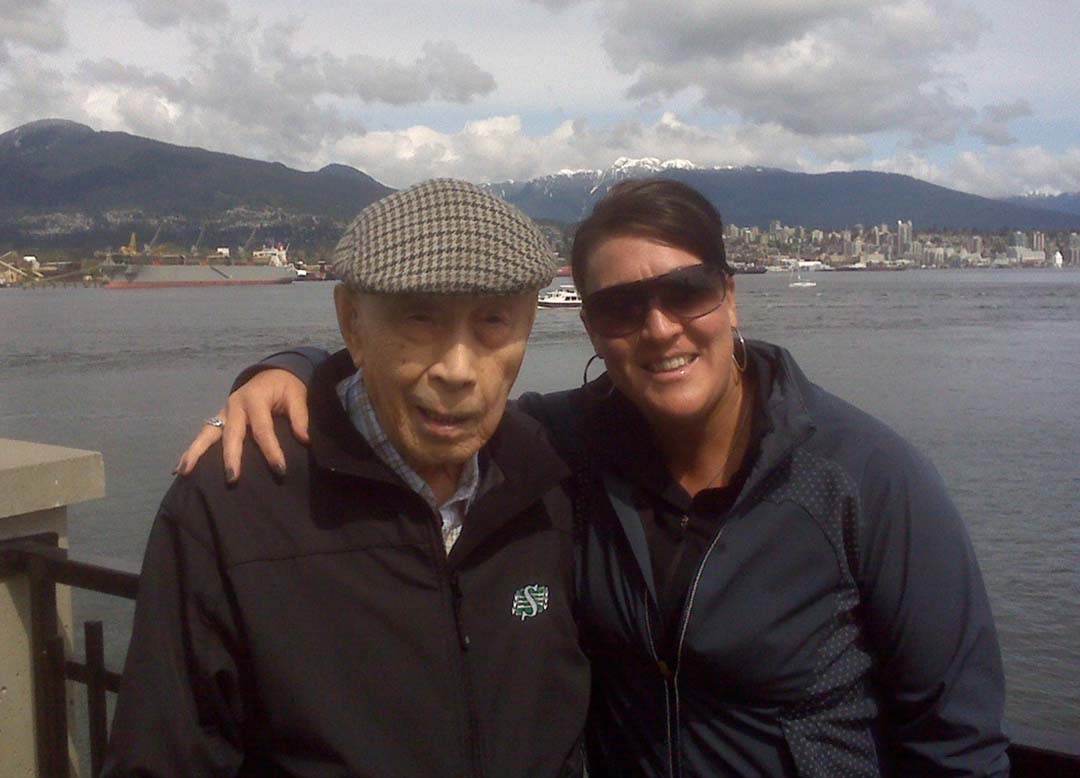
In his book Finally A Canadian, Stanley talks about the challenges of finding work and a place to live, something Shannon said he never talked about with his family.
“Until I read my grandpa’s book, I didn’t realize that, even with his PhD, he had such a hard time finding meaningful employment. He never talked about it. He just put his head down and worked harder, creating a successful life for our family.”
Stanley was born and raised in Vancouver and in 1940 met his wife, Shannon’s grandmother Doris Kwong.
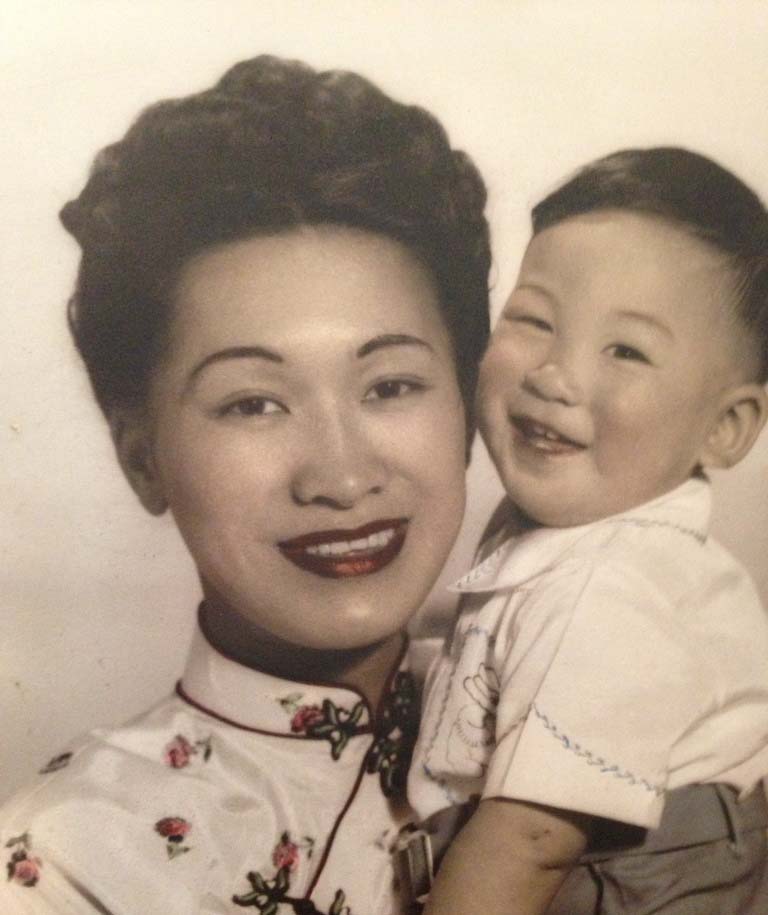
One of nine children, Doris was born in Revelstoke, B.C., to Chinese immigrants Wong Kwong and Yee Von Kwong.
The Chinn and Kwong families arrived in Canada in the late 1890s in pursuit of opportunity at the “Gold Mountain” (British Columbia).
Their arrival came at the height of discriminatory policies against Chinese immigrants, including the Chinese Immigration Act and corresponding Chinese Head Tax that ran from 1885-1923.
In 1923 the head tax was replaced with the Chinese Exclusion Act, a policy that barred all Chinese immigration to Canada until 1947.
Despite these policies, and the racism they perpetuated, both the Kwongs and Chinns thrived, building families, businesses, and lives in their new homes.
In Revelstoke, Doris’ father Wong worked for the Canadian Pacific Railway, while her mother Yee Von and the family ran multiple storefronts, a laundromat, and a Chinese restaurant called Mannings.
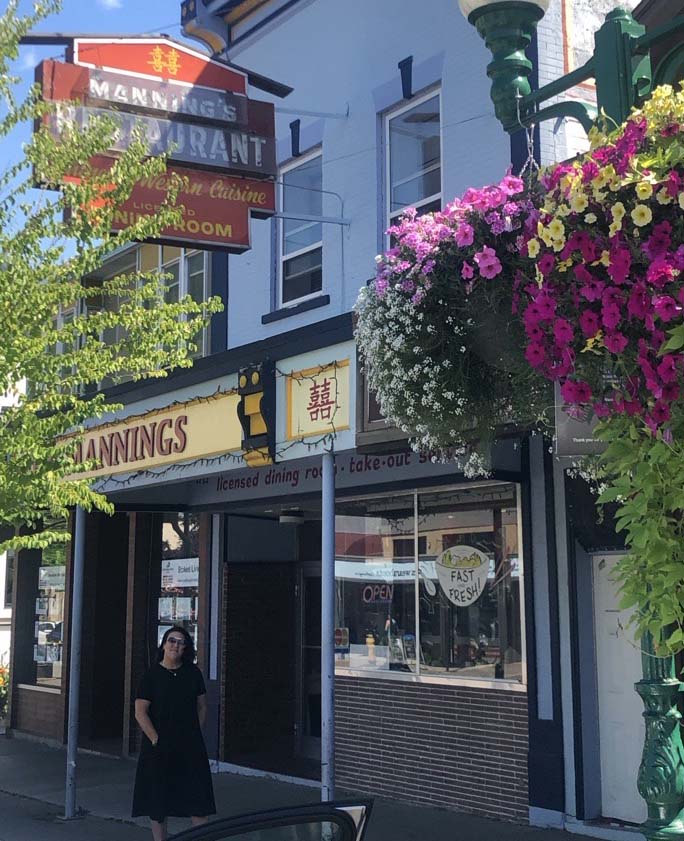
Mannings still stands today as a reminder of the contributions of the Kwongs and Chinese communities that helped build Canada.
In Vancouver, the Chinn family built their life, starting and running multiple businesses, including a dry goods and clothing store, a Chinese Opera House, and later, a successful farm.
“I’m super proud of both the Chinns and Kwongs. Their success was a very quiet and humble success,” Shannon said. “They all worked so hard. They were leaders that did incredible things.”
These qualities were generational, as both families expanded and continued to achieve.
In 1936, Shannon’s great-aunt, Jean Kwong, became the first Chinese Canadian woman to graduate as a nurse in Canada.
She was the top student in her class, but was denied the award, based on her race.
Jean’s sister, Clara, became the third Chinese Canadian woman to graduate as a nurse.
She too, became a recipient of the Order of Canada.
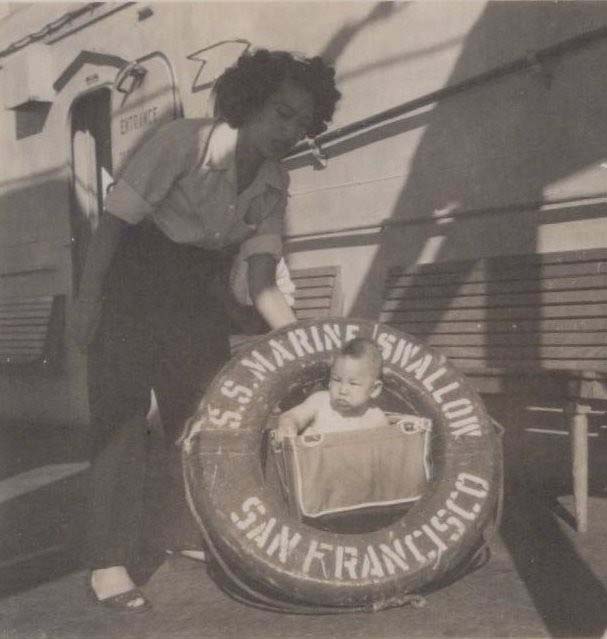
After Shannon’s grandparents married, they briefly moved back to China, where Shannon’s father Richard “Dick” Chinn was born.
In 1947, when Dick was just three months old, the family boarded a ship back to Canada.
Their first two years back were spent in B.C., before relocating to Saskatoon for Stanley’s USask appointment.
The Chinns settled in, purchasing a home on Clarence Avenue, where Shannon’s father and her uncle Terry grew up.
“When they moved into the neighborhood my dad was really little and spoke Chinese. Eventually many little kids in the neighborhood started speaking in Chinese from playing together,” Shannon recalled, laughing.
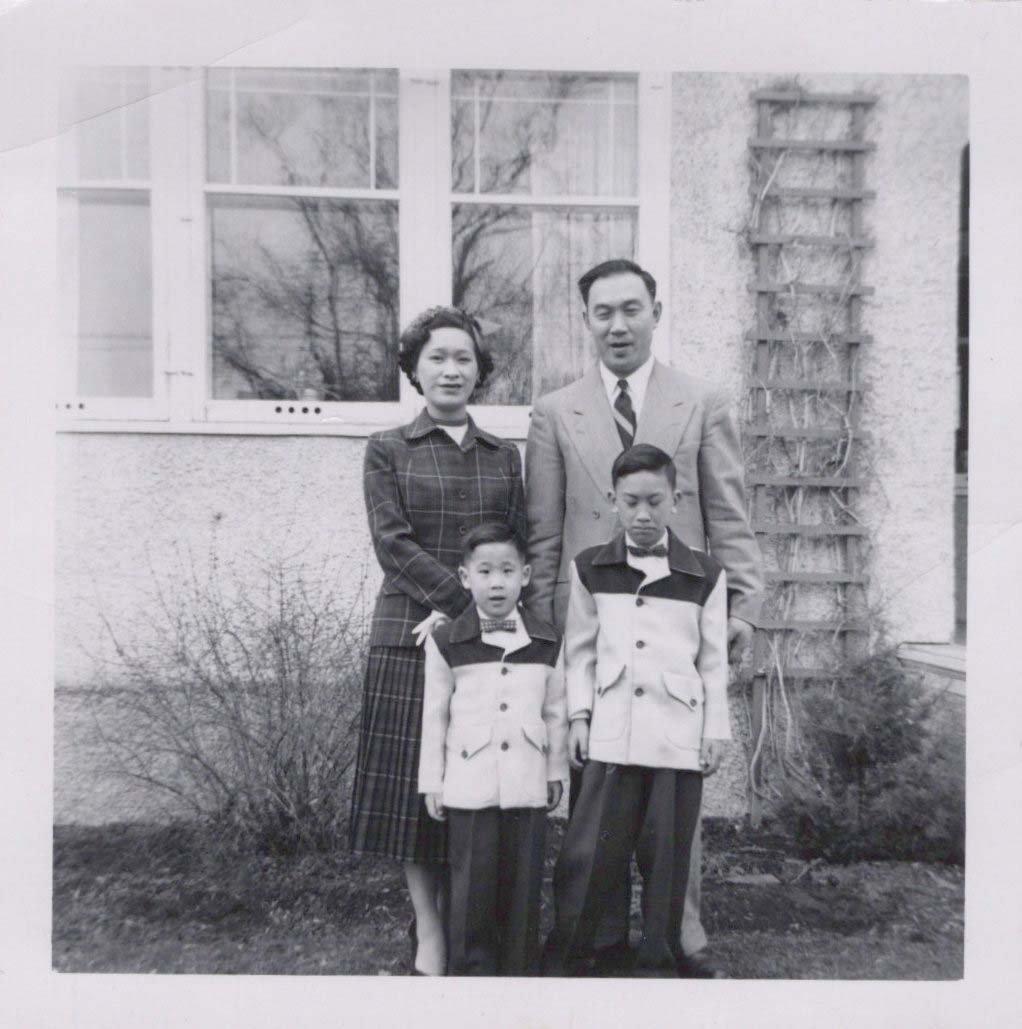
Shannon’s grandmother Doris also took on work as a treasurer for YWCA Saskatoon.
Tragically in April 1958, Doris passed away after a short illness, when Dick and his brother Terry were just eight and 11 years old.
Stanley became a solo parent, balancing work and home, while driving Dick to sporting events around the city and eventually across the country, as he became a top-achieving track and football athlete.
At 13, Dick was “the fastest kid in Saskatoon.”
By high school, he was breaking records and winning titles.
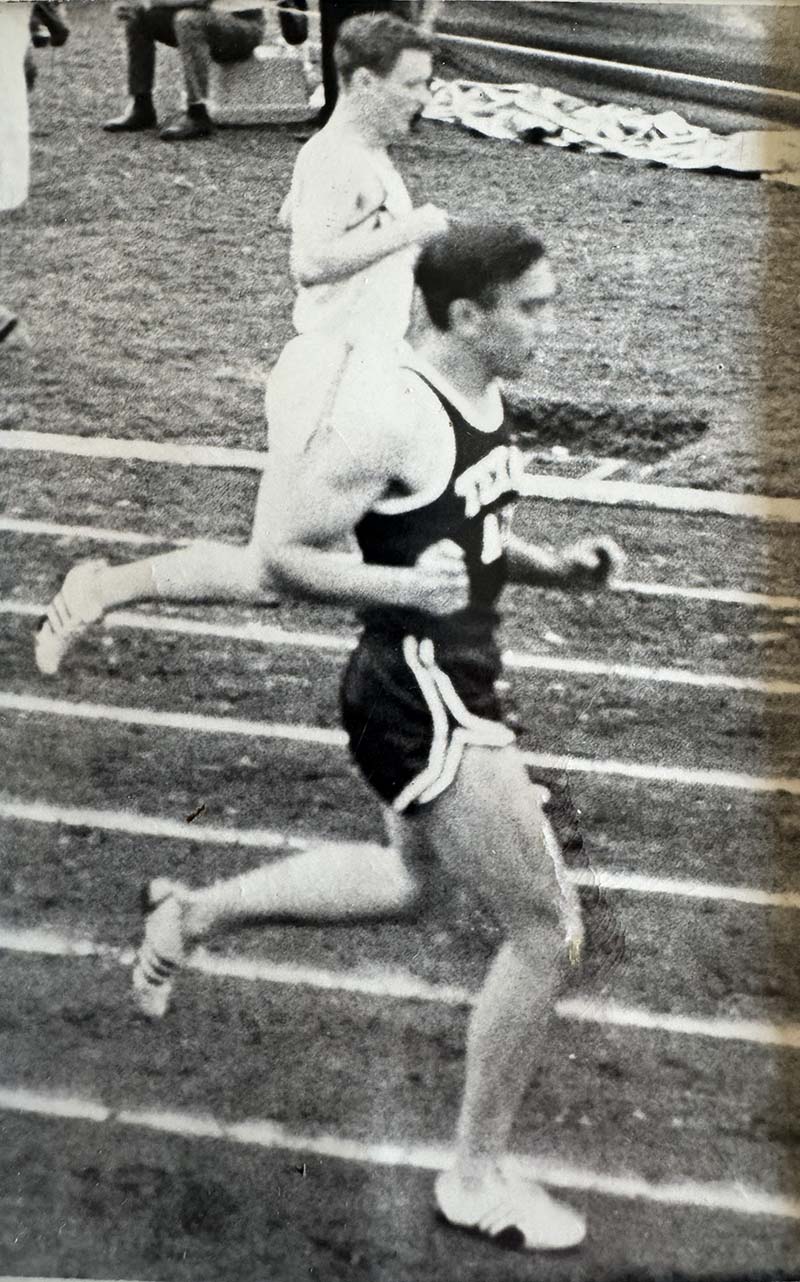
Over the course of his four years at Nutana Collegiate, Dick won 11 titles in sprints and long jump, and four championships.
He broke eight city and provincial records and at just 17 years old, placed second to Harry Jerome at trials for the Canadian track and field team ahead of the 1964 Tokyo Olympics.
Unsurprisingly, Dick’s incredible record and athletic ability caught the attention of a top U.S. college.
“My dad got a scholarship to Texas A&M to run track. It took him a long time on the train to get to Texas from Saskatoon. He's a Chinese guy in the sixties, down in Texas going to university. I can’t imagine that would have been easy. He had grown up so close with my uncle and my grandpa,” Shannon said.
“The three of them were so tight, I think he missed home, he never outwardly talked about racism, but he only ended up staying in Texas for one year. He came back and played for the Hilltops and won the 1968 championship with them, under Coach Al Ledingham.”
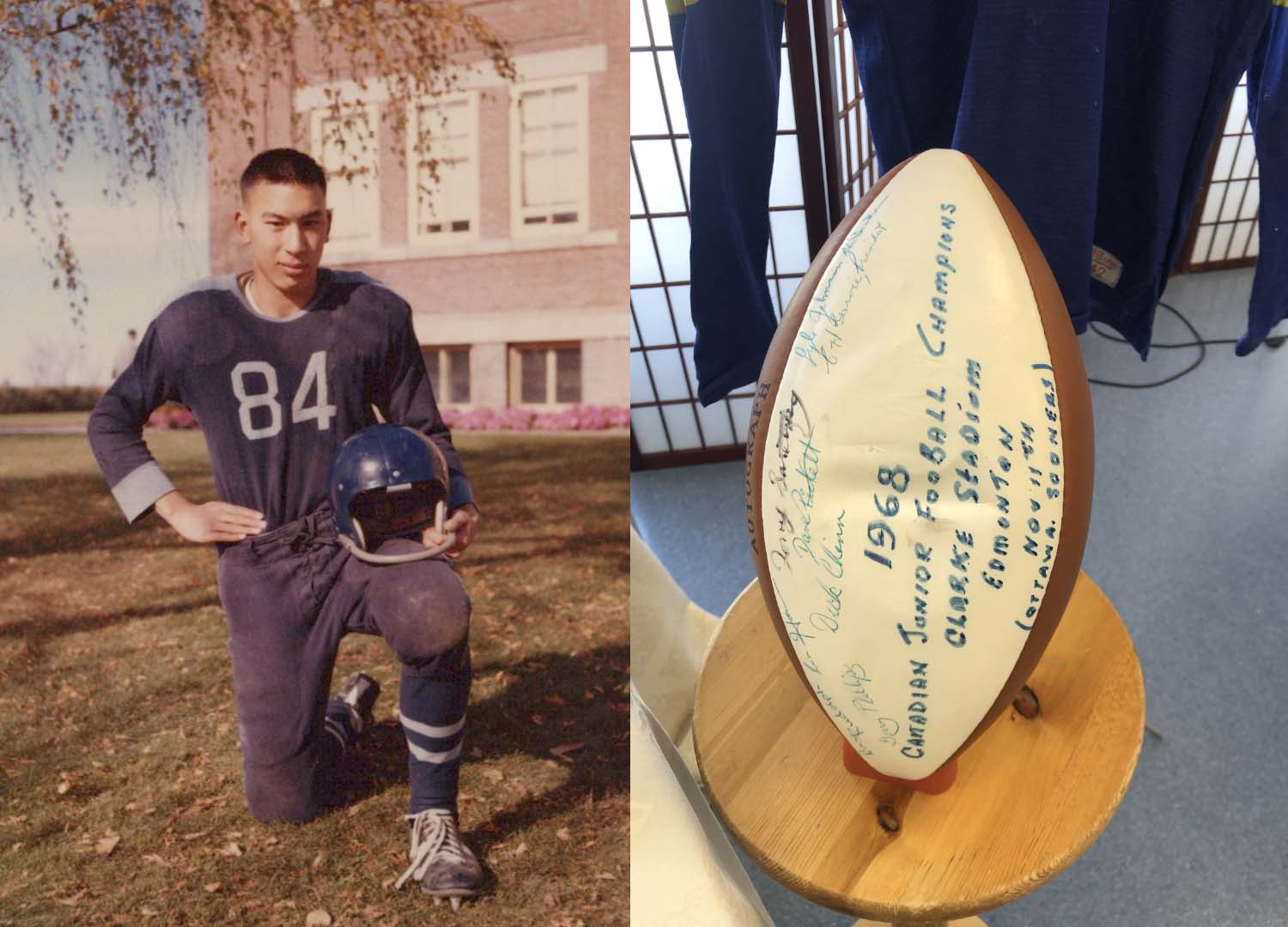
After playing three seasons with the Hilltops, Dick joined the coaching staff of the 1970 National Men’s Track and Field Championship team, as assistant to Huskie legend Lyle Sanderson.
That same year, he married Shannon’s mother Lynda.
“Before my parents got married, my grandpa asked them if they were sure they were ready to have an interracial marriage. He loved my mom, but he warned them about racism. That it would be challenging and wouldn’t be accepted by everyone,” Shannon said.
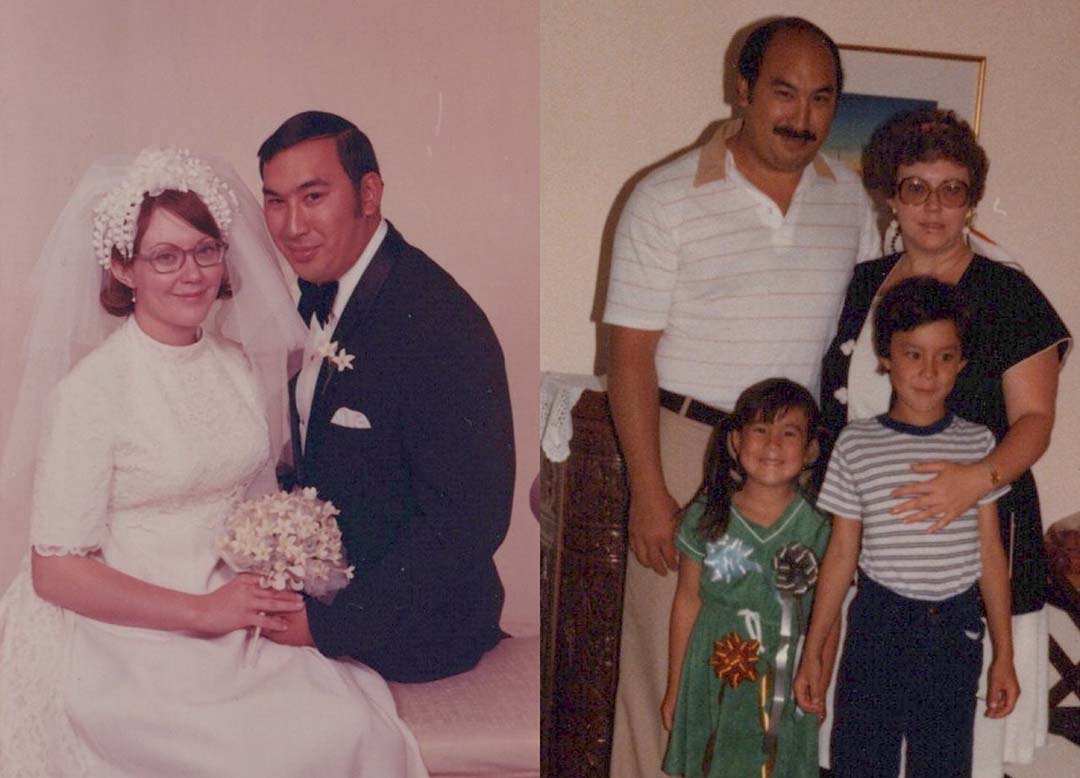
“Their love for each other was so strong, there was no way you could keep them apart.”
Growing up, Shannon said she never really experienced outward racism but was familiar with the uncomfortable feeling of being in discriminatory situations.
“I would feel super uncomfortable when people would make Chinese jokes, negatively imitate a Chinese person, or speak disparagingly about my heritage in general. It was a terrible feeling.”
Given her father’s athletic abilities, it was no surprise Shannon went on to play multiple sports.
“The first thing I did was throw the football on the front lawn with my dad and my brother. And then I played just about any other sport possible, either at recess or on an organized team.”
Her parents were there every step of the way.
“My mom and dad created such a wonderful family. They were at every single game. They supported everything. Whether we were going to a hockey tournament, a ball tournament, or a basketball tournament, my parents were present for absolutely everything my brother and I did.”
Her family was close and spent time celebrating both Chinese and Canadian holidays, always revolving around dim sum or large banquet dinners.
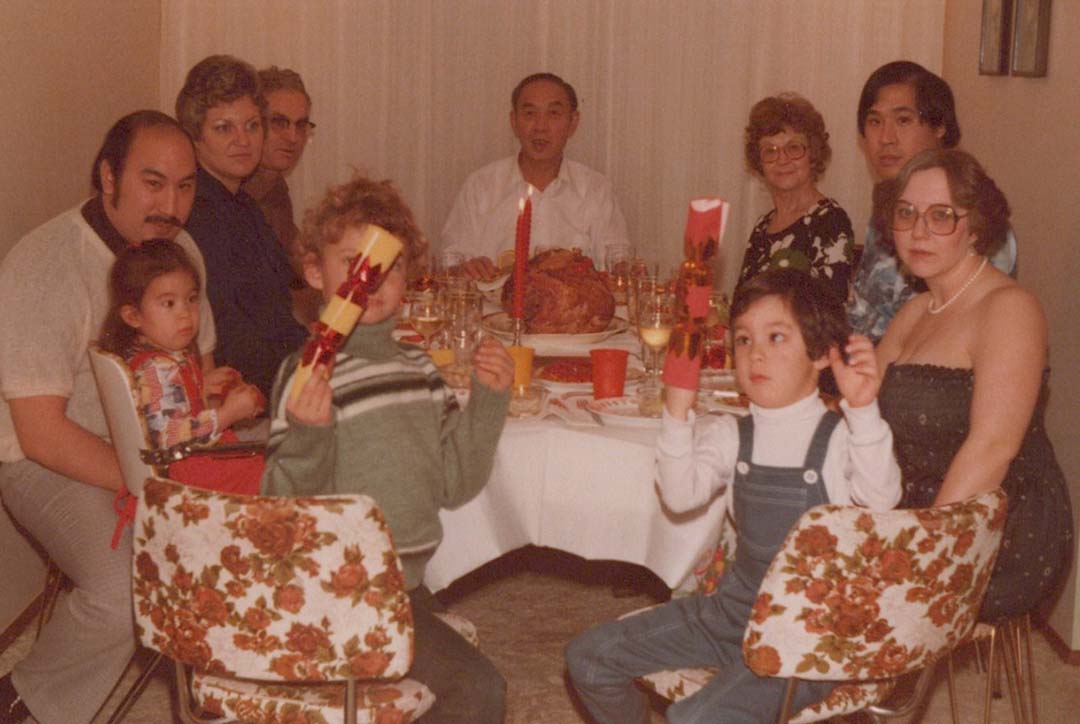
Her friends loved going for Chinese food with her family as they thought her dad got to order off the special menu. “My best friend Jaime learned how to use chopsticks real young because there were no forks at a Chinn dinner,” recalled Shannon with a smile.
Those same friends were always excited for Lai See on Chinese New Year – a red envelope with money inside.
“The thing that I remember the most growing up was making har gow with my grandma in her kitchen. Hers was the best and she could pinch the wrappers so fast. Mine were always lopsided and I was too slow, so I was the one that rolled the ball and pressed the pastry flat so she could pinch them.”
As Shannon got older, basketball became the dominant sport in her life.
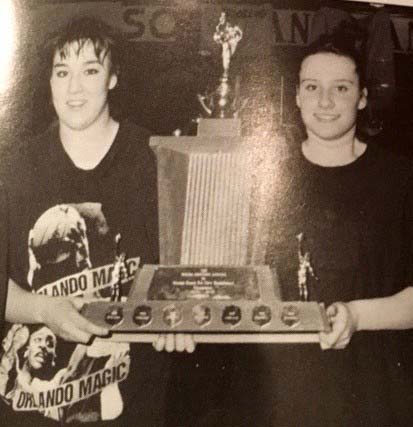
Her high school team won back-to-back city and provincial basketball championships, and she played on the Saskatchewan team that brought home a silver medal from the 1993 Jeux du Canada Games.
Catching the eye of the University of Ottawa, Shannon was recruited for the women’s basketball program where she played for three years, before becoming the team’s sports information co-ordinator after a back injury.
That role turned out to be just the beginning of an incredible career in sport, that has taken Shannon across the country.
From the Ottawa Renegades to the Saskatchewan Roughriders, Ottawa Senators, TSN, Carleton University, and several major sporting events, Shannon has worked in virtually every area of high-level sport.
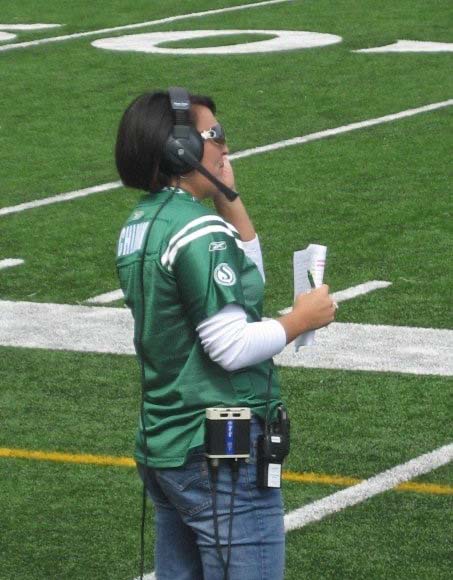
She was also the first woman to sit on the board of Football Canada.
Now, as the first woman chief athletics officer to oversee both men’s and women’s sports for the USask Huskies, she passionately leads the university’s largest brand comprised of 15 varsity teams, over 400 student-athletes, 40 administration and staff, plus multiple venues, donor relationships, and community partnerships that impact youth in sport across the province.
Shannon said her parents, who were thrilled to have her back home, came to every Huskie event they could.
“My parents were at every homecoming game. They were at basketball, volleyball, hockey. They were always supporting the Huskies. I remember Mike Babcock giving my dad a Huskie hockey ball cap the first time that he met him. He wore it all the time.”
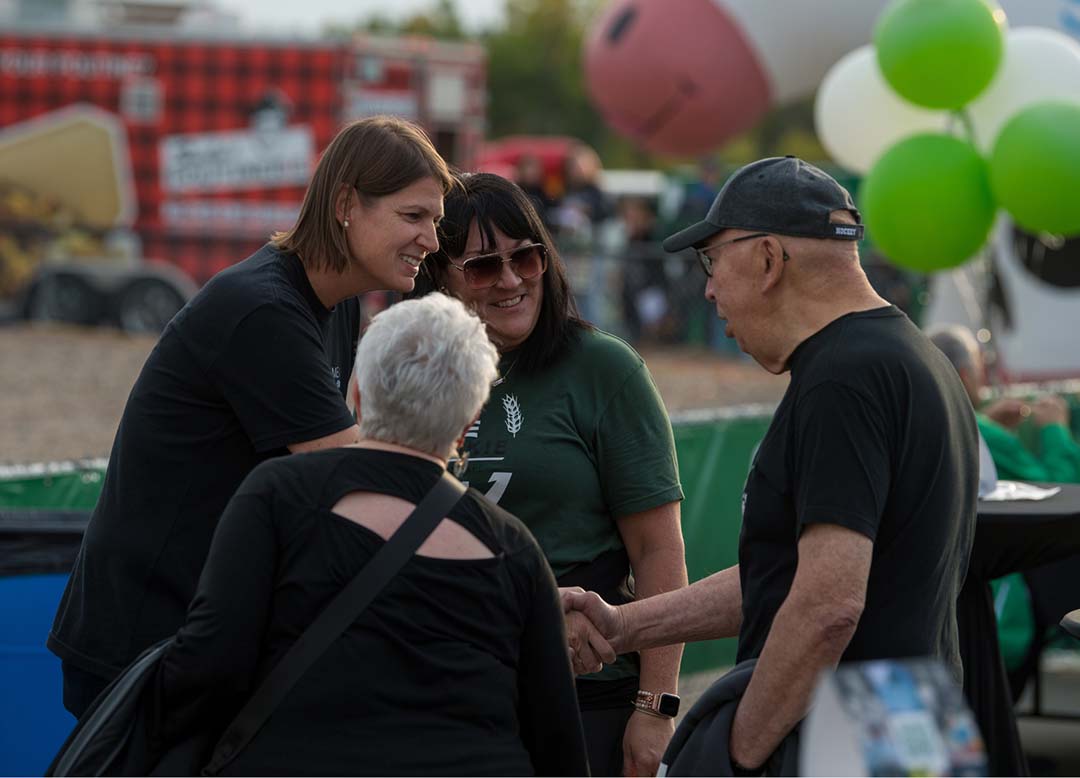
The influence of her parents’ steady presence at every game and event throughout her life is evident in the way Shannon shows up for student athletes.
“I want our student athletes to know how much I care about them. Being there to support them is very important to me. I know how much sport impacted me and what it did for my life, so I am grateful to have a small bit of influence on our athletes and their journey to success as they become incredible leaders.”
When asked whose leadership style she hopes to emulate, there was no hesitation: her dad.
“He had such an incredible impact on my life and instilled his values in me. I remember at his retirement party, one of his colleagues said he treated everybody with the same respect. It didn’t matter who you were on the org chart. He was kind, he worked hard and he did the right thing. He lived with integrity, treated people well, and no matter what the obstacle was, he got it done. I hope that I lead in the same way he did. I hope I’m living up to be even half of the incredible person he was.”
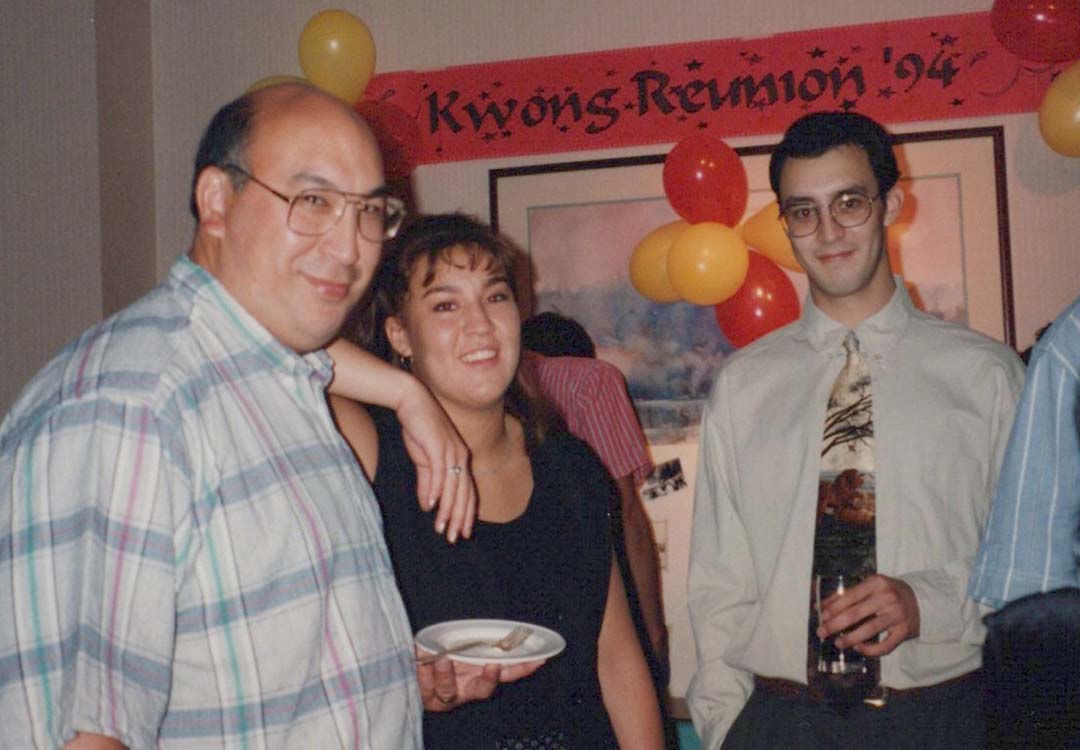
Shannon’s beloved father Dick passed away in 2025 after a courageous battle with Parkinson’s.
Reflecting on her decision to return to Saskatchewan, Shannon said the timing happened for a reason.
“It gave me the opportunity to spend more time with him over the last few years. I have been approached by so many people that ask if he’s my dad and then they have the best stories about him. That's the greatest blessing of coming back to Saskatchewan, time, and it’s something you can never get back. I’m so thankful for this life he’s given me.”
As a leader, Shannon said she hopes, like her dad, to leave a legacy of genuine care and integrity.
“I hope every athlete and every staff member knows how much I support every single one of them. I hope the legacy I leave as a leader is one of integrity, that people always knew I cared for them and wanted the best for them. I want my team to be in an environment where they thrive and love their work. It’s sports, it’s so much fun, and we get to have a unique impact on so many people.”

Nearly 140 years after the Kwongs and Chinns first set foot in Canada, their values, perseverance, grit and drive live on in the legacy of Shannon’s leadership, under which the Huskies have won two U SPORTS national championships, 14 Canada West championships and secured 16 U SPORTS national medal finishes.
They’ve tallied an impressive 25 U SPORTS major award winners, 123 U SPORTS All-Canadians, 66 Canada West major award winners, 293 Canada West All-Stars and 625 U SPORTS Academic All-Canadians.
Shannon said she used to joke with her brother and cousins about which grandchild was “top-top” – a line her grandpa Stanley used to say when referring to who was the smartest and had the highest grades. Education was always very important to him.
“And so that was the joke with them when I got this job. Grandpa would say you’re top-top now.”