

USask research: What’s the buzz about mosquitos this year?
Weeks of wild and wet weather from spring to summer have helped create the perfect storm for mass mosquito proliferation across the province this year.
By James ShewagaWith mosquito populations peaking well above the 10-year average in Saskatchewan and double last year’s count at this time, the buzz across Saskatchewan is how bad will it get, and what we can do to help enjoy our time outside.
Some of Western Canada’s leading researchers in the field have offered tips and tricks of the trade for getting through a challenging mosquito season. Providing insight are Dr. Sean Prager (PhD) of the College of Agriculture and Bioresources and Dr. Emily Jenkins (PhD, DVM) of the Western College of Veterinary Medicine with the University of Saskatchewan (USask) Insect Research Facility. Also weighing in are former USask post-doctoral research colleagues Dr. Jumari Snyman (PhD), now a research associate in the Faculty of Medicine and Dentistry at the University of Alberta, and USask adjunct professor Dr. Loki Snyman (PhD), the curator of Invertebrate Zoology at the Royal Alberta Museum.
1. How much has the plethora of precipitation produced the multiplying of mosquitos across the province?
Sean Prager: Mosquitoes need water to reproduce because they have aquatic stages in their life-cycle. The eggs are laid in, on, or near water depending on species. So, more water means more places for females to lay eggs. Heat also matter since insects—at least mosquitoes—go through their life cycle more quickly as it gets hotter. The City of Saskatoon and Regina monitor mosquitoes, including the species that carries West Nile virus. Those numbers are currently many fold higher than average. However, the long-term trend will depend on the continuing high precipitation. If it suddenly comes dry for an extended period, the numbers could return to normal.
Loki Snyman: Once the rain stops and it heats up, mosquito larvae will likely quickly result in biting adults. It is also worth noting that the heavy rains might have flushed larvae from their otherwise undisturbed habitats (think of stormwater drains or stagnant pools in the vicinity of rivers). These habitats might overflow and kill lots of larvae in the process, that might result in lower numbers of some species.
2. What are the biggest risks for mosquito-borne illnesses a person could contract in Saskatchewan?
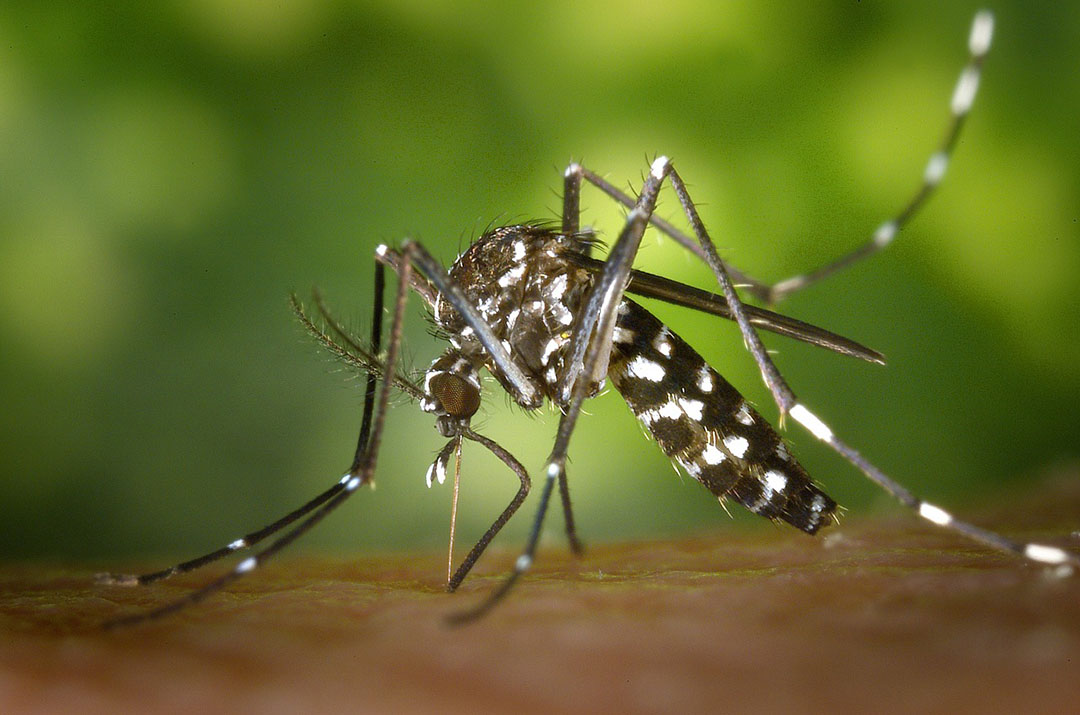
Jumari Snyman: The biggest mosquito-borne disease risk in Saskatchewan is West Nile virus, which remains a consistent public health concern during the mosquito season. California serogroup viruses, such as Jamestown Canyon virus and Snowshoe Hare virus, may also pose a risk, although they are less commonly recognized. Most infections with these viruses are asymptomatic, while some individuals may develop mild flu-like symptoms such as fever, headache, fatigue, and muscle aches. A small proportion of cases can progress to severe neurological disease that may be life-threatening. Because there are no specific treatments for most mosquito-borne viruses, prevention through avoiding mosquito bites remains the most effective way to reduce risk.
Emily Jenkins: In the past, Western Equine Encephalitis virus has been detected in Saskatchewan, but mosquito-borne viruses are episodic and we haven’t had an outbreak in a long time. Mosquitoes can also transmit nematodes, like the canine heart worm, Dirofilaria immitis. We don’t have this parasite circulating in Saskatchewan yet, but we remain vigilant for it in dogs and wild canids. This heart worm causes serious heart and lung issues in dogs and cats. If a person gets bitten by an infected mosquito, they can develop a lump in their skin or even in their lungs, which is benign, but can be scary until they differentiate it from other causes. Human infections with Dirofilaria are extremely rare, even in regions where it is well established, like southern Manitoba, Ontario and Quebec.

3. The year 2007 was one of the worst on record in the province for West Nile virus, with more than 1,500 cases and multiple fatalities. What is the risk of that type of year happening again?
Loki Snyman: Unlikely, but not impossible. West Nile virus is no longer a novel virus to a naïve population (both human and animal populations). However, Culex pipiens (the common house mosquito) is establishing itself in the province and it is a very effective vector of West Nile virus. We have seen an explosive growth in abundance is other Prairie cites like Edmonton and Calgary, and this species took only a few years to establish itself throughout the cities in high numbers. The same will likely happen in several Saskatchewan cities, however, it is too early to tell if this species will lead to increased transmission of West Nile Virus to humans—some varieties of the species bite birds and humans and pose a bigger risk than varieties biting only humans—and thus how its establishment will affect public health.
Emily Jenkins: In the past, Culex tarsalis was the main vector of West Nile virus in the province. We have predicted shifts in the range of this mosquito and spread of West Nile virus based on climate models (published in the International Journal of Environmental Research and Public Health). So, overall there should be steadily increasing transmission, but the frequency of outbreak years remains difficult to predict.

4. In addition to mosquito repellant, do you have any tips for times of the day to limit outdoor activity, or colour of clothing to limit risk of getting bit?
Emily Jenkins: In Canada, most mosquitoes are Aedes mosquitoes that feed throughout the day, so when going outside, wear long-sleeved clothing (in addition to repellent) to make it more difficult for the mosquito to bite you. Avoid being outside after dark, especially dusk, as several other genera and species, including species of Culex mosquitoes, the primary West Nile virus vectors. It is said that darker colours attract mosquitoes more, but mosquitoes don’t see well and trapping mosquitoes with colour is not really effective. They do, however, smell very well and primarily use that to detect you, especially the CO₂ in our breath. Since we cannot stop emitting smells or stop breathing, these aforementioned precautions are our best defence.
Sean Prager: The species of mosquitoes that are most likely to carry West Nile virus in Saskatchewan—Culex tarsalis—do not like light. So, they tend to be more active in the evening and at night. This is not the case for some of the other species we have, but those are nuisance species and not likely to be transmitting anything.