

Take 5: Five things to know about USask’s College of Kinesiology
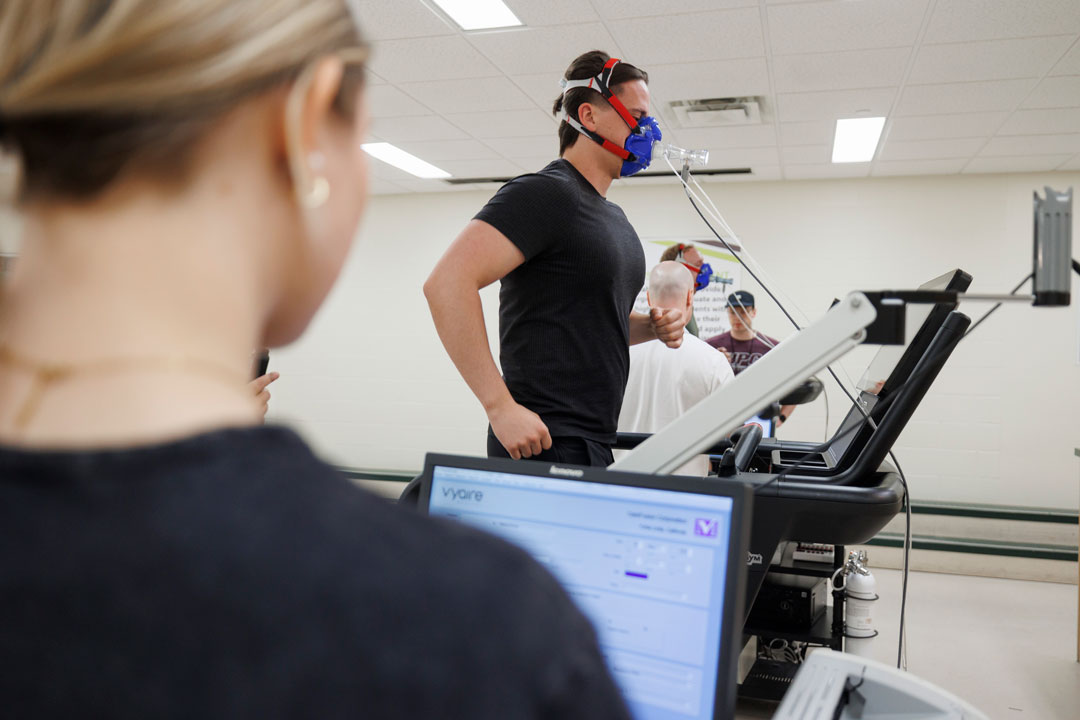
The college has an active role in shaping campus life through recreation and fitness.
By Alyssa WiebePhysical activity, sport, recreation, and all aspects of human movement are enablers of transformational change in the health and well-being of individuals and communities. Here are five things to know about the College of Kinesiology at the University of Saskatchewan (USask) and how it’s making an impact.
- USask Rec is part of the College of Kinesiology.
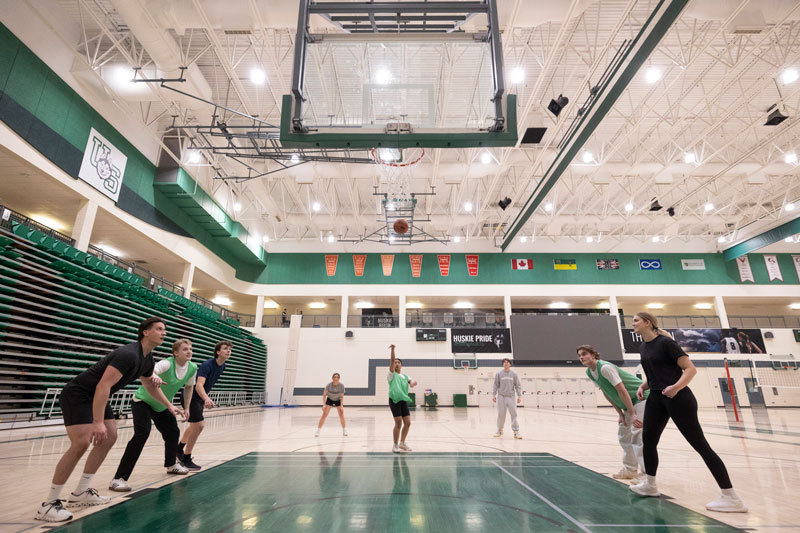
USask Rec is an integral unit within the College of Kinesiology, positioning the college to have a direct and active role in shaping campus life through recreation and fitness. This means students, faculty, and staff aren’t only studying movement, health, and sport, they’re also influencing how recreation is delivered across campus and in our community. From intramurals to fitness programming and recreation spaces, the college helps create opportunities for thousands of students and community members to stay active and engaged each year.
2. The college has had nationwide influence through ParticipACTION and InMotion.
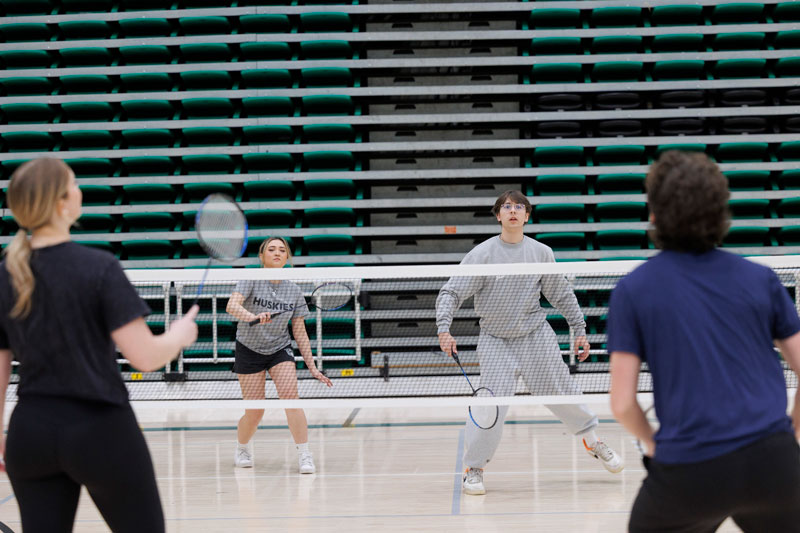
The college has played a significant role in shaping how Canadians understand physical activity through initiatives like ParticipACTION and InMotion. These programs were designed to encourage everyday movement and promote healthier lifestyles across the country. Their impact extends far beyond campus, helping shift national conversations around inactivity, health promotion, and community wellness.
3. The college is known for internationally recognized bone health research.
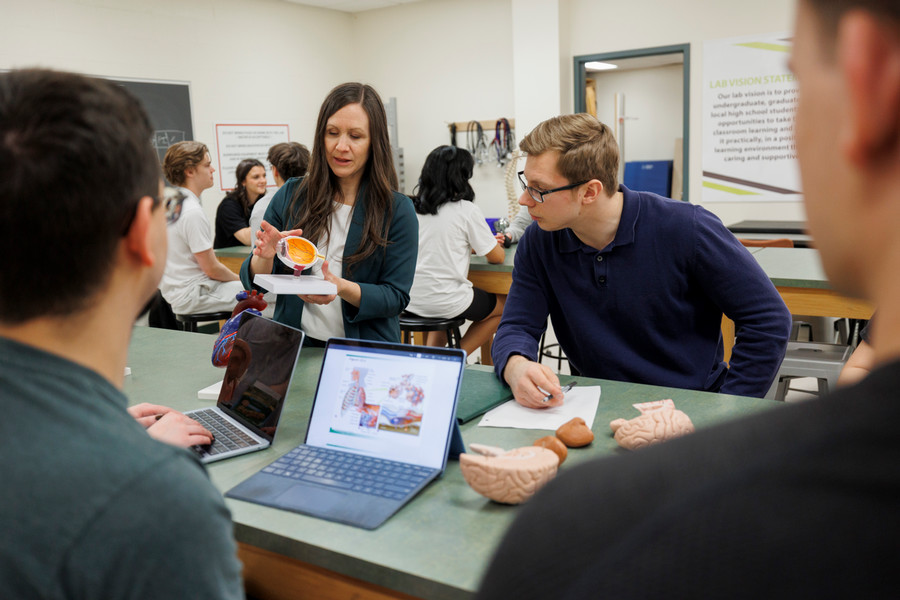
The college is home to two of the most influential ongoing bone health research programs in the world: the Saskatchewan Growth and Development Study (started in 1963) and the Saskatchewan Bone Mineral Accrual Study (started in 1991). Both programs became internationally known under the leadership of faculty member Dr. Don Bailey. This work continues today because of the hard work of Kinesiology faculty who continue to focus on understanding how bones develop, strengthen, and change across the lifespan, with a strong emphasis on osteoporosis prevention and healthy aging. The research has had long-term impacts on medical understanding and public health approaches to skeletal health globally.
4. The college is a pioneer in physical education in Canada.
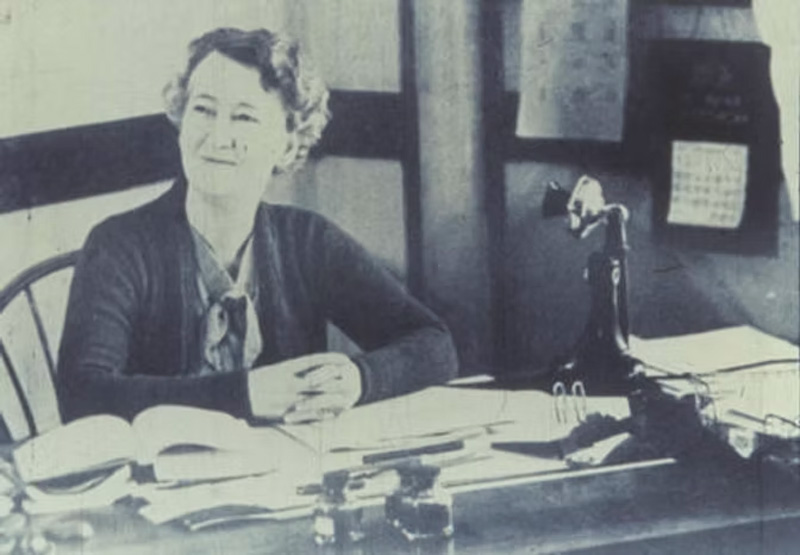
What is now known today as the College of Kinesiology started as one of the first three Schools of Physical Education in Canada (at McGill University, the University of Toronto, and the University of Saskatchewan), building a foundation for what would become modern kinesiology. In 1929, Dr. W.C. Murray, the former president of USask, recruited educator Ethel Cartwright to lead the development of a girls’ school of physical education at USask, one that mirrored the school she had created at McGill University. Her work helped define standards in physical education teaching, curriculum development, and professional training at a time when the field was still emerging nationally. Under her leadership, women's sports at the university flourished and received autonomous recognition with the establishment of the Women's Athletic Directorate. Today, the Huskie Athletics Female Athlete of the Year award is named in Cartwright’s honour.
5. The college supports Campus Recreation and active living on campus.
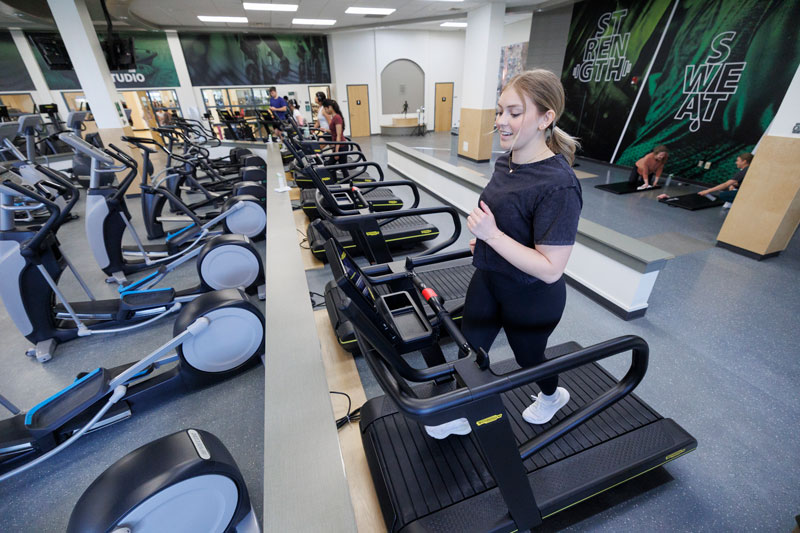
The college plays a key role in managing and supporting many of USask’s sport and recreation facilities across campus. This includes the Physical Activity Complex (PAC), a central hub for fitness, wellness, and recreation programming that welcomes more than 300,000 users annually, including more than 8,000 aquatics participants and 8,500 Campus Recreation students.
The college also oversees recreation spaces within the Education Building, the outdoor K.W. Nasser Courts, and all outdoor sports fields used for Campus Recreation programming, including sport clubs, instructional learn-to programs, and intramural leagues.
Article re-posted on .
View original article.