

Looking Back: Reflecting on research excellence in USask computer science
USask’s computer science department has a proud history of research success.
By Kristen McEwenThirty years ago, the Department of Computer Science made history at the University of Saskatchewan (USask) – ranking No. 1 in research impact in Canada.
According to a 1996 study conducted by the Institute for Scientific Information (ISI) in Philadelphia, Pa., the department had the most citations per paper in Canada from 1990-94. USask moved to first place after being ranked second – behind the University of Toronto – since 1981. ISI was an academic publishing service, which analyzed scientific research from around the world.
The study calculated research impact by counting the number of times scientific papers written by faculty members in each computer science department across Canada were cited in the scientific literature, divided by the total number of papers written by researchers in that department.
The USask computer science department was ranked 20th in the country for number of faculty, making the No.1 ranking in research impact in Canada an impressive result.
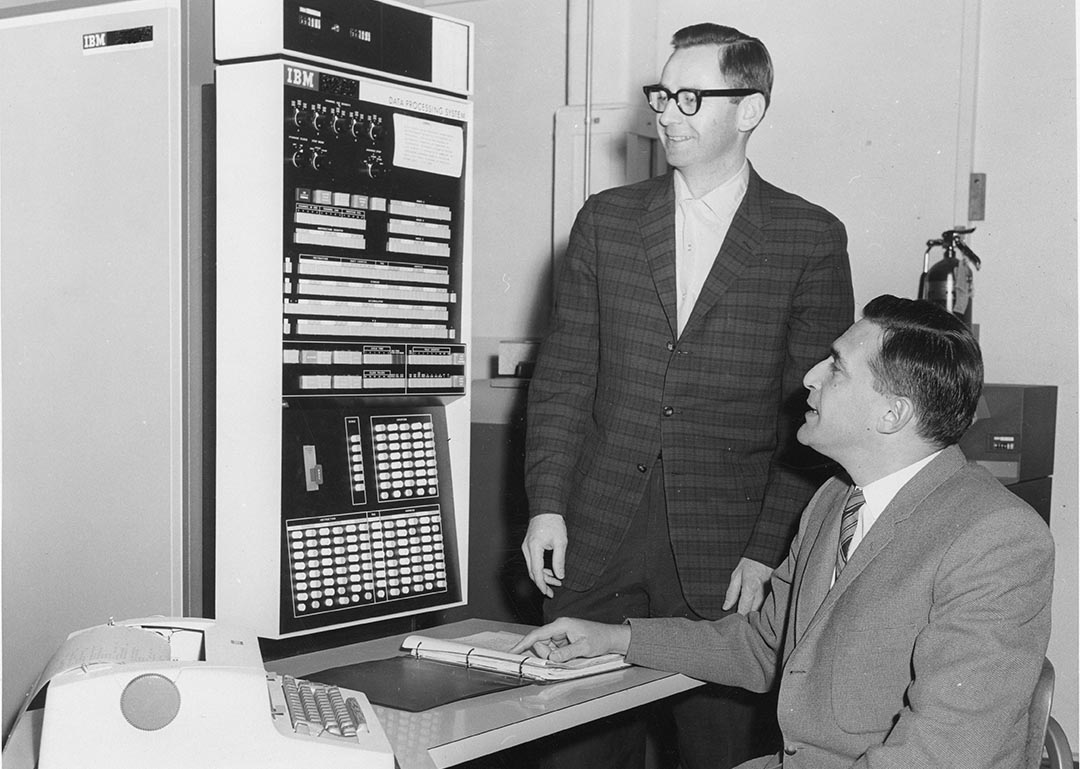
Dr. Gord McCalla (PhD) was the head of the Department of Computer Science from 1991-96. He led the department during a time of change and transition while they moved from the College of Engineering to the College of Arts and Science.
“As department head, sometime in early ’96, I got an email from fellow department head (of computer science) at Carleton University,” McCalla said. “He said, ‘Do you know you’re No. 1 in this study?’”
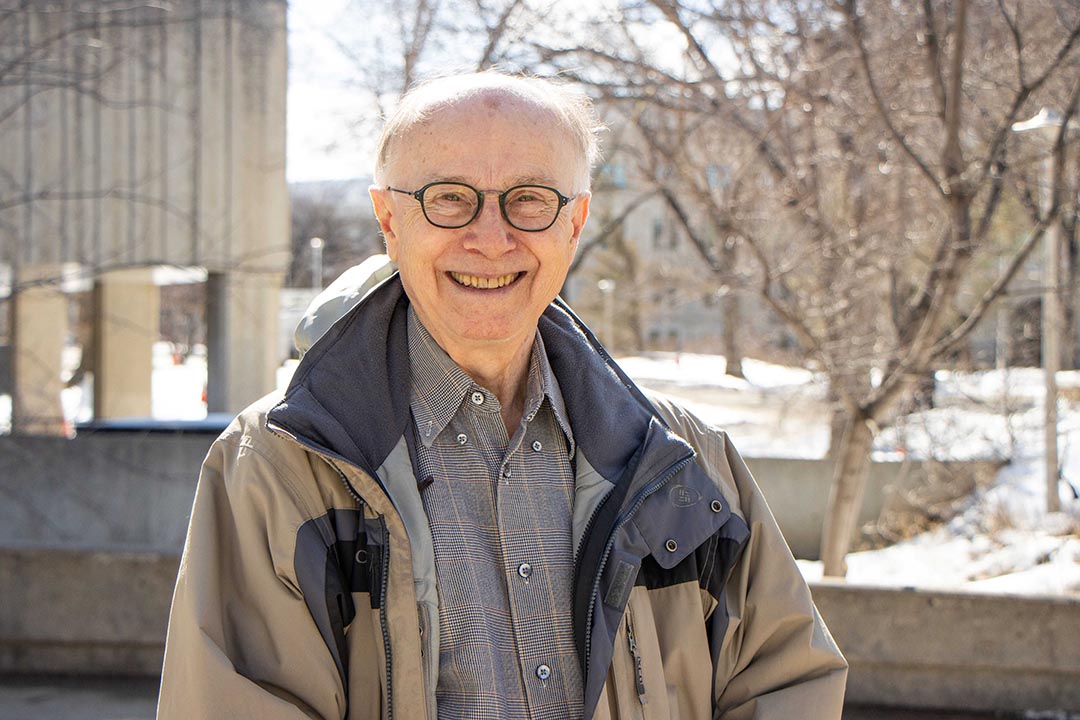
McCalla hadn’t heard about the results of the study. He decided to dive deeper into the numbers shared with him by his colleague in Ottawa. The study collected data from 1981-1995 for a 15-year period, and from 1991-95 for a five-year period. Based on the data, McCalla determined that the USask Department of Computer Science was seventh overall in absolute number of citations.
“Even with a small number of papers, the lesson really was we were producing influential papers compared to the bigger universities,” he said.
“Everybody in the department pretty much was doing research,” he added. “A really valid, better (stat) for computer science would have been to take conference papers into account, but I don’t think it did.”
McCalla noted that he found the most interesting research came from graduate students, specifically master’s students in the department. Many master’s thesis are based on interesting concepts and encourage questions.
“In a master’s, these interesting (ideas) become papers,” he said.
McCalla added that it takes a village to conduct research, and a feeling of collegiality is needed in research communities.
“There are leaders in the village that do things, there’s volunteer work needing to be done to make life livable. That’s true in the research communities, too,” he said. “Somebody has to edit journals, somebody has to review papers, somebody has to do stuff that doesn’t translate directly into publications ... but it does translate into influence in the field.”
Current computer science department head Dr. Ian Stavness (PhD) said that the culture of research is still strong in the unit.

“The foundation (in 1996) set us up for continued success,” Stavness said. “That culture that we focus on graduate student success, and we often try to make as many opportunities available as possible. That means we usually have a large cohort of graduate students, and all of those things are possible when you structure that culture in a way that emphasizes it and values it. We’ve seen that continue.”
Stavness mentioned that much of the core research happening in the department in the ’90s was in artificial intelligence (AI) – something that’s everywhere in today’s society.
Early career researchers like assistant professor Dr. Mrigank Rochan (PhD) are focusing on research areas like computer vision and AI machine learning. He recently had a paper accepted at the Conference on Computer Vision and Pattern Recognition (CVPR). CVPR is the top Visual AI research venue, second to the journal Nature for top citations, Stavness explained. More than 16,000 papers were submitted to CVPR this year.
Computer science distinguished professor Dr. Julita Vassileva (PhD) started at USask as a post-doctoral fellow in 1997 and became a faculty member in 1999. In 2021, Vassileva’s AI and image processing research was ranked by Stanford University as among the top 0.66 per cent of researchers in the world.
“We are really proud of the fact that computer science research has had tremendous impact over the past 30 years,” Stavness said.
“That early success – and the efforts put in there – we’re still benefiting from that in the present day and still trying to keep that research intensiveness and focus on research excellence and graduate student success.”