

USask represented at global Indigenous conference on education
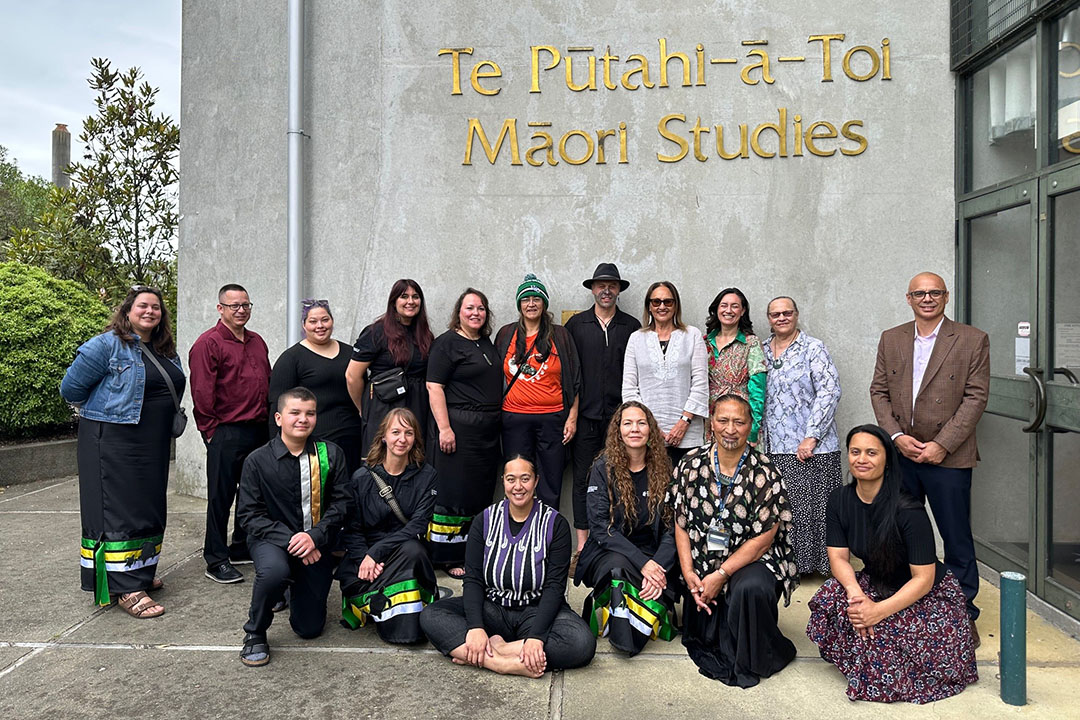
Members of the Office of the Vice-Provost, Indigenous Engagement (OVPIE) recently had the opportunity to share their work at the World Indigenous Peoples’ Conference on Education (WIPCE) hosted in Aotearoa (New Zealand).
By Ashley Dopko, University CommunicationsThe unique opportunity in November of last year opened the door for connection and collaboration with institutions across the world.
“It really was a global experience of Indigenous people gathering and sharing,” said Dr. Amaranta Sokól (EdD), director, Indigenous engagement.
Sokól had the opportunity to co-present on deybwewin | taapwaywin | tapwewin, the University of Saskatchewan’s (USask) Indigenous Truth Policy on Indigenous citizenship/membership, as well as discuss her doctoral research on Indigenization and internationalization. Additional team members highlighted other USask initiatives such as the Building Intercultural Resilience Mentorship (BIRM) program, Indigenous student supports, and the Indigenous Summer Institute.
Every three years, WIPCE brings together Indigenous educators, leaders, and Knowledge Keepers to honour, preserve, and advance Indigenous education.
“There’s a sense of cultural safety when you’re networking within that kind of conference,” said USask’s Trenna Vanghel, strategic officer, student experience, who also attended and presented at the conference.
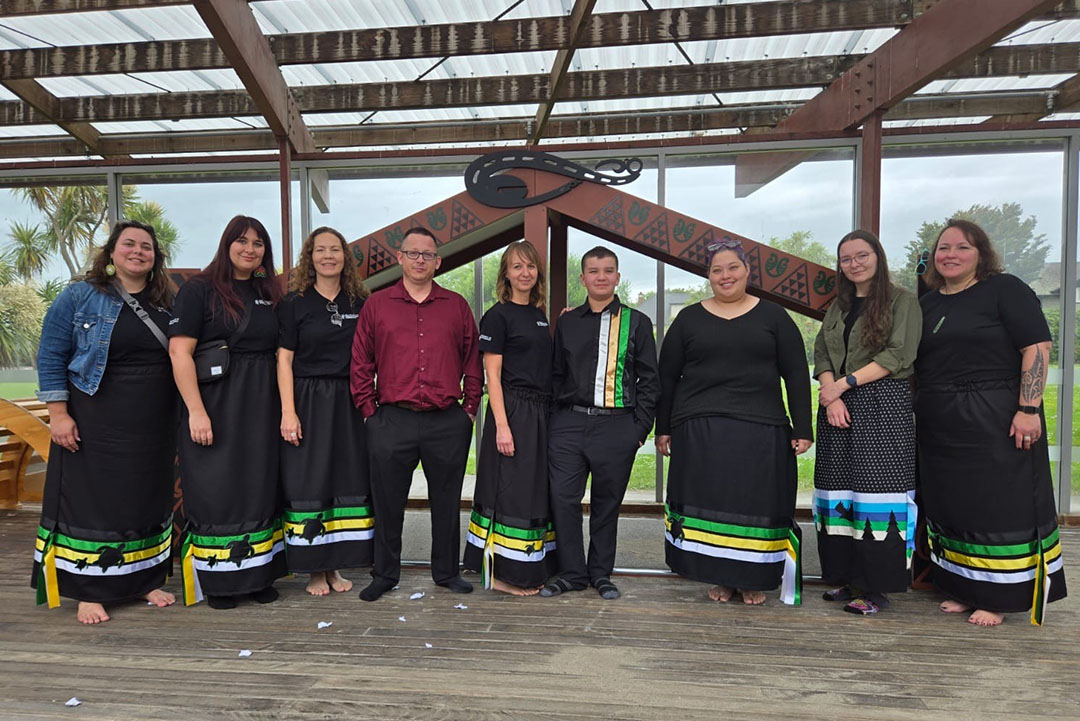
Complementary to their time at the conference, Sokól, Vanghel, and several other team members were able to engage in multiple cultural exchanges and learnings that will inspire how USask creates and delivers academic and support services for Indigenous students at USask campuses. This included museums and planned visits with colleagues in elementary and secondary Māori immersion schools, and post-secondary institutions like Massey University. Learning from, and sharing with, Māori people offered new perspectives on how Māori communities are engaging in best practices in education for their people.
“Creating international understandings of Indigenous work is something that blossomed from this conference,” said Vanghel.
The revitalization of the Māori language was a shining example of what is possible.
“Seeing their progress gave me a good, healthy amount of hope for the future,” said Vanghel.
Dr. Angela Jaime (PhD), vice-provost Indigenous engagement, knew the potential of the trip.
“The inspiration of seeing that struggle is also happening in other places is affirming and when we are affirmed in this work we are motivated to keep moving forward … to not become stagnant,” she said. “This trip was designed to rejuvenate the work done at USask.
“With this particular trip, it was relationships that I had fostered over a period of 20 years that have helped me grow and expand my thinking about working with Indigenous communities.”
The experience proved to be personally and professionally rewarding.
“Getting good ideas and feedback and exploring ways that we could collaborate with other universities was great. Now the doors are open for continued collaboration in the future,” said Sokól.