

A look back at USask’s 2025 innovative research projects
The University of Saskatchewan (USask) is one of Canada’s top research universities, and in 2025 USask researchers pushed the boundaries of research, scholarly and artistic work across numerous disciplines.
By Research Profile and ImpactFrom pea milk to pandemic preparedness, from wheat genes to wildfires, USask researchers have raised the bar for innovative research that has an impact on Saskatchewan, Canada and the world.
Here are 11 USask research stories from 2025 that helped define the work of the year:

1. Exploring the benefits of pea milk versus dairy
USask’s Dr. Phil Chilibeck (PhD) from the College of Kinesiology is leading a new study that will examine whether pea protein ingested as pea milk could result in greater health benefits than dairy milk.
Supported by the Agriculture Development Fund (ADF), the project could lead to pea protein and pea milk as a supplement for those suffering from osteoporosis.
2. Using bats to build the next pandemic preparedness toolkit
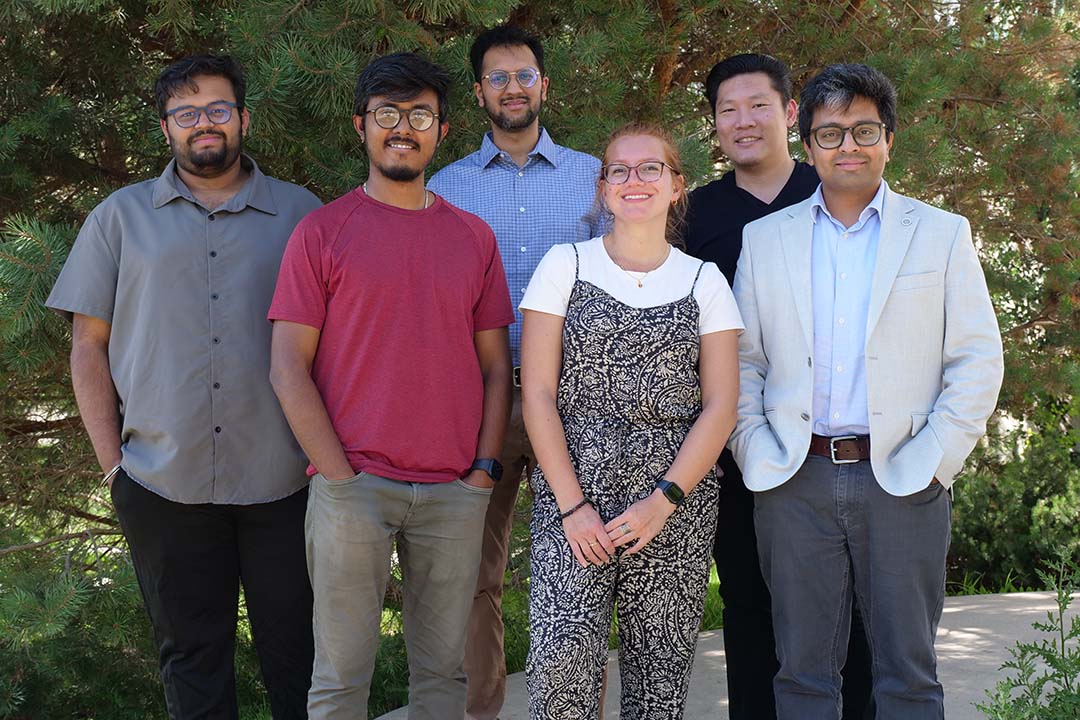
By unlocking the secrets of bat genes, Dr. Arinjay Banerjee’s (PhD) lab at USask’s Vaccine and Infectious Disease Organization (VIDO) is learning how to tackle emerging viruses and help safeguard against disease outbreaks.
Banerjee’s lab published three papers in academic journals that act as a “pandemic preparedness tool kit” to provide foundational information on the workings of immune systems of mammals like bats to develop future policies and safeguards against disease.
3. Discovering genes that protect wheat from disease
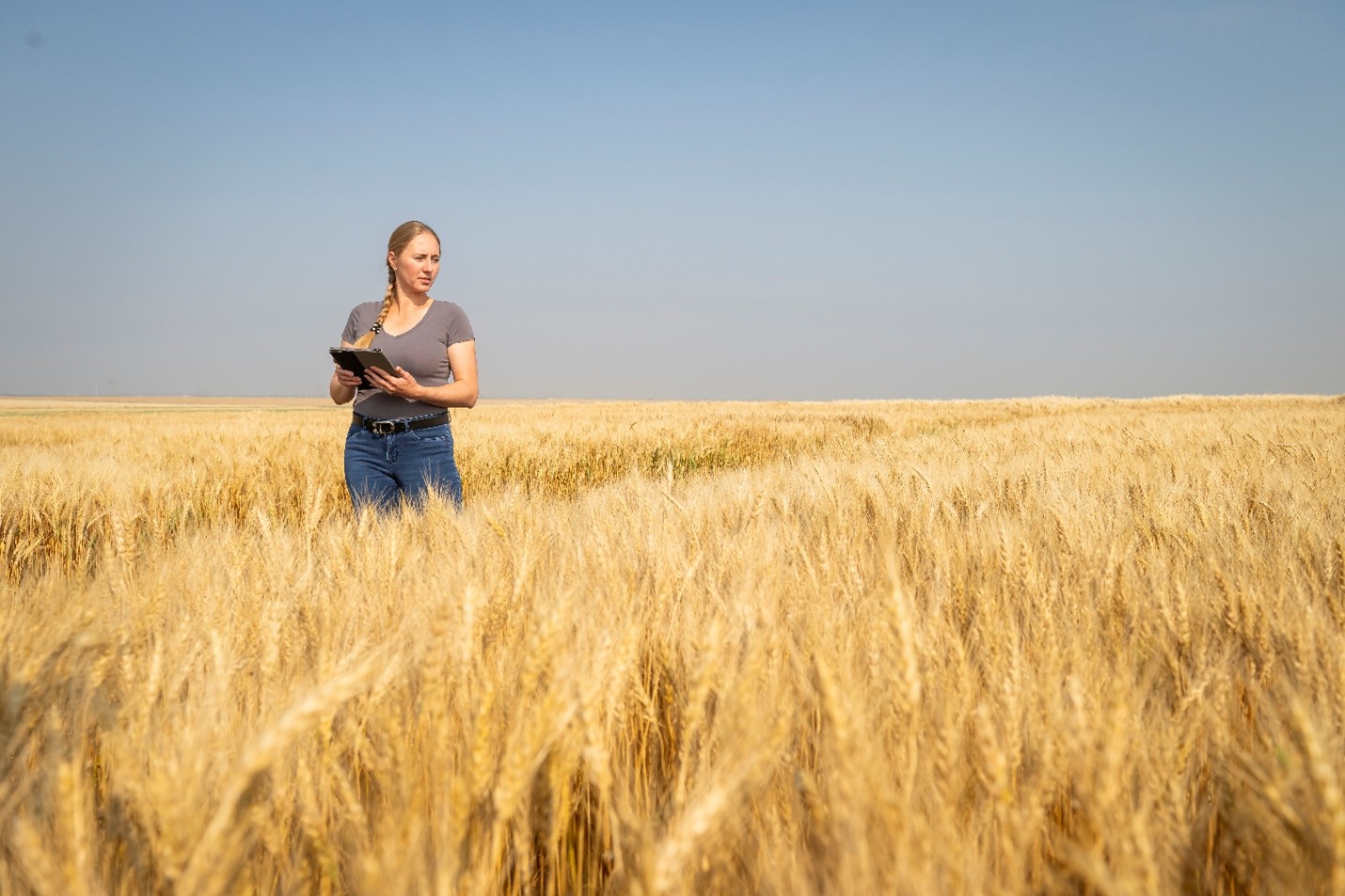
To get ahead of ever-evolving pathogens, researchers like Dr. Valentyna Klymiuk (PhD) and Dr. Curtis Pozniak (PhD) with USask’s Crop Development Centre study wild wheat varieties that carry resistances to bacteria, viruses and fungi.
That research led to the discovery of a pair of genes in a wild strain of wheat that helped give it significant resistance to stripe rust, a top-five disease of concern for producers.
4. Identifying new targets for cutting-edge cancer treatments
Through innovative genetic screening techniques, a team of researchers led by Dr. Franco Vizeacoumar (PhD) and Dr. Andrew Freywald (PhD) with USask and the Saskatchewan Cancer Agency have identified a new target for eliminating breast cancer cells.
The team focused on an enzyme called polo-like kinase 1 (PLK1), found in large amounts in nearly all cancer cells and helps tumours grow. Using the CRISPR gene editing tool, the team devised a technique to target the genes co-operating with PLK1 in driving cancer growth.
5. Connecting gut to brain for Alzheimer’s treatments
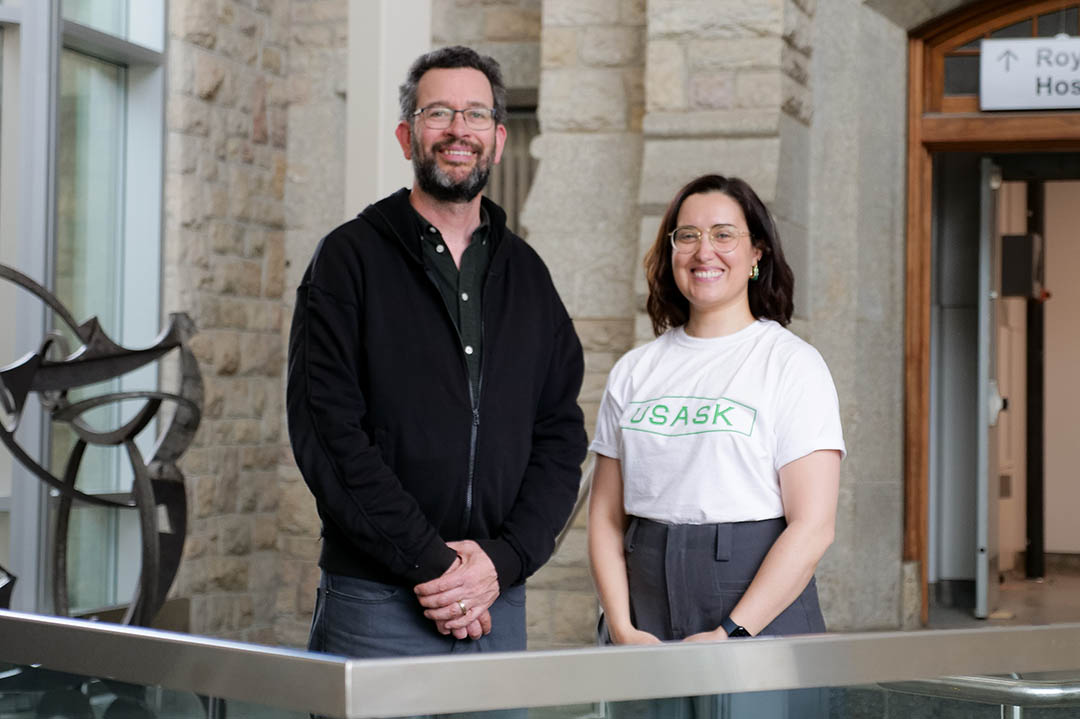
Dr. Ana Mendes-Silva (PhD) in the Department of Psychiatry is exploring how three compounds in milk kefir — a fermented drink rich in beneficial microbes — may slow the progression or even help to prevent Alzheimer’s disease.
Funded by the Saskatchewan Health Research Foundation (SHRF), the research is investigating the gut-brain axis and how the gut microbiome impacts disease progression in the brain.

6. Studying horse health on a secluded island for better livestock care
Sable Island is about 175 kilometres off the coast of Nova Scotia and is home to a population of horses being closely examined by USask researchers.
Graduate student Victoria Crozier and undergraduate student Olivia Andres in the Department of Biology are studying the island’s feral horse population to get a better understanding of their genetics and behaviour, as well as a digestive parasite in the horses that also impacts the health of wildlife and livestock across the country.

7. Developing mental health supports and strategies for firefighters
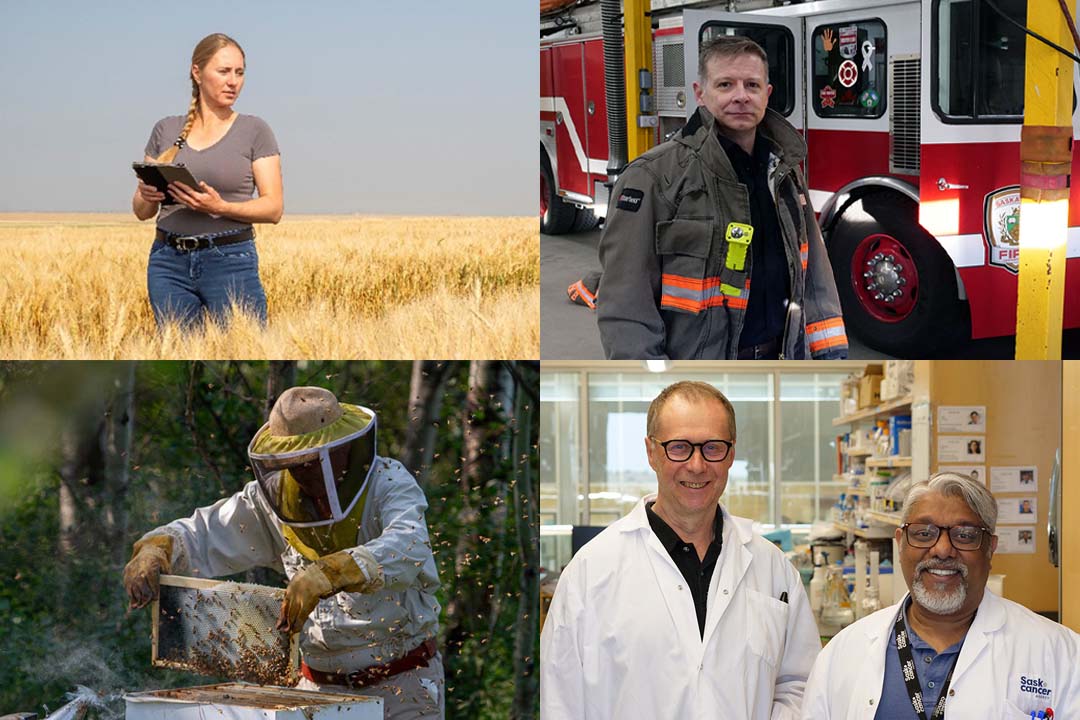
Joel McNair, a Saskatoon firefighter and a USask psychology student, and Dr. Camelia Adams (MD) in the Department of Psychiatry are leading a joint research project that will evaluate the current state of mental health among members of the Saskatoon Fire Department, as well as the supports and strategies in place to help them.
Supported by the joint City of Saskatoon-USask Research Junction program, the project aims to gather concrete data to help inform and advocate for future mental health supports for frontline workers.
8. Advancing imaging techniques to improve children’s bone health
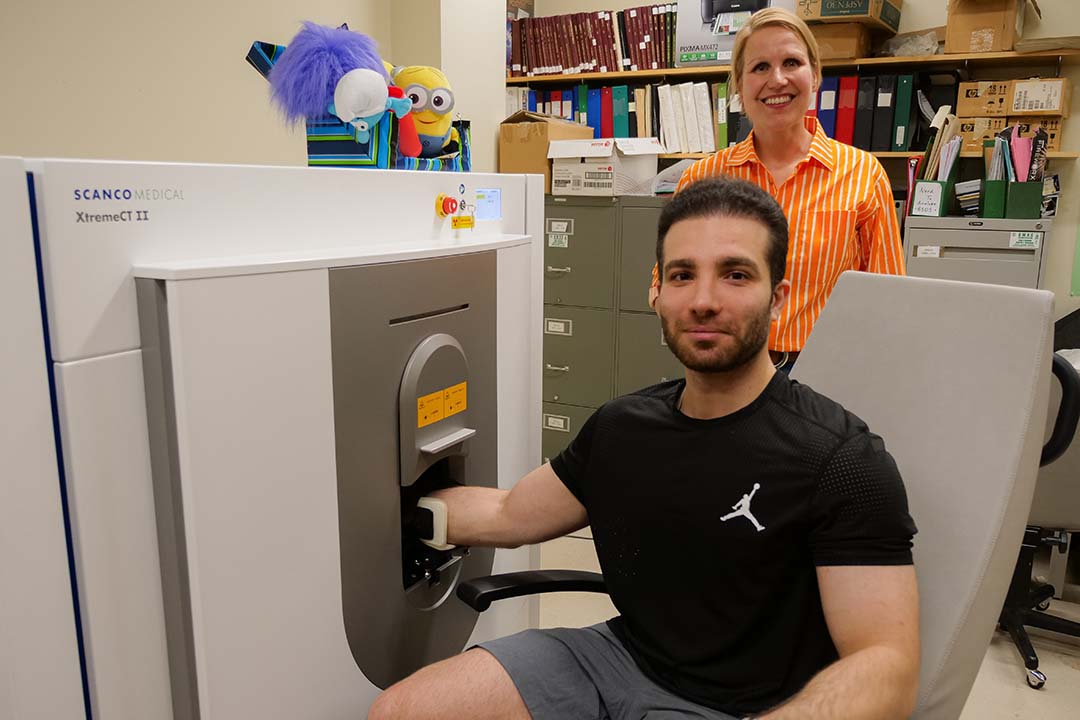
Thanks to funding from the Canada Foundation for Innovation’s John R. Evans Leaders Fund (CFI-JELF), USask researchers from multiple colleges are conducting a first-of-its-kind pediatric bone study to understand what makes young bones fragile.
Dr. Saija Kontulainen (PhD) and Dr. Munier Nour (MD) from the College of Medicine and Dr. J.D. Johnston (PhD) from the College of Engineering are leading the unique study. Thanks to the CFI-JELF support, USask acquired new high-resolution imaging tools for the advanced study.
9. Investigating the health of birds affected by wildfire smoke
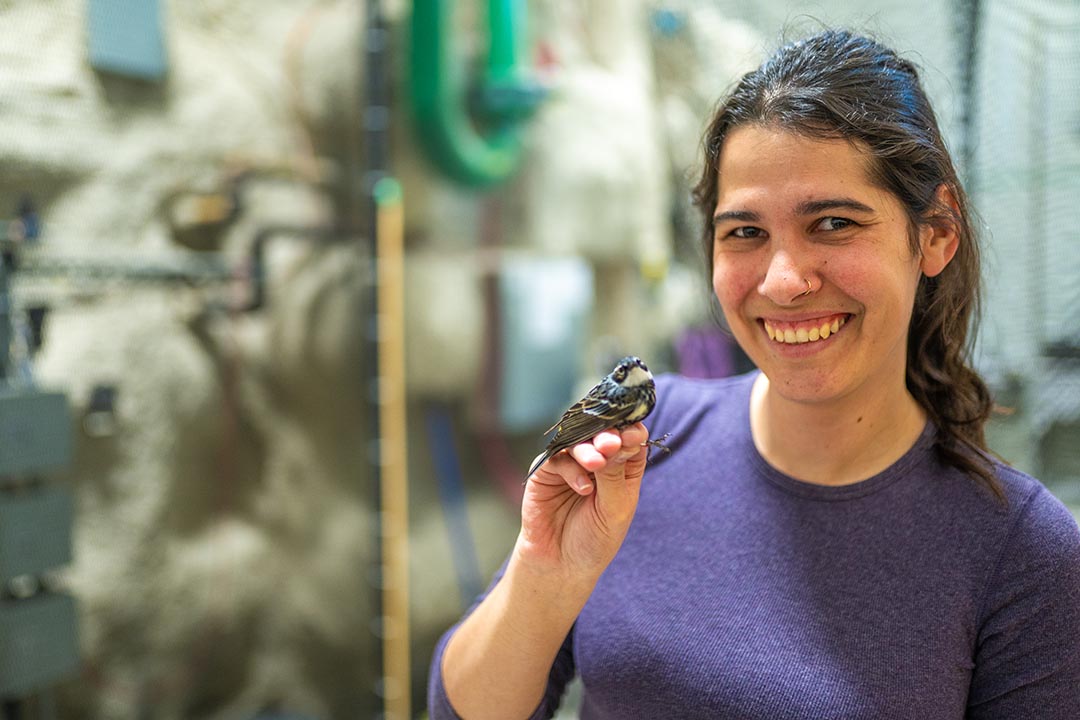
Dr. Catie Ivy (PhD) in the College of Arts and Science is looking into the physiological effects of smoke intake on songbirds and how it might impact a bird’s ability to migrate.
Supported by the Natural Sciences and Engineering Research Council (NSERC) Discovery Grant program, Ivy’s study aims to identify the overall long-term effects of smoke inhalation on bird populations as Canadian wildfire seasons continue to get longer and more intense.

10. Tackling evolving artificial intelligence in apps
Dr. Shan Wang (PhD), professor in management information systems at USask’s Edward’s School of Business, is exploring the complexity of technological advancements like AI and investigating how digital businesses respond to changes, in two research projects funded by Social Sciences and Humanities Research Council of Canada (SSHRC).
Wang’s research into these digital spaces help expand our understanding of an environment that is always evolving and rapidly changing—but not going away any time soon.
11. Impacting solutions and stigma of FASD using honey bees
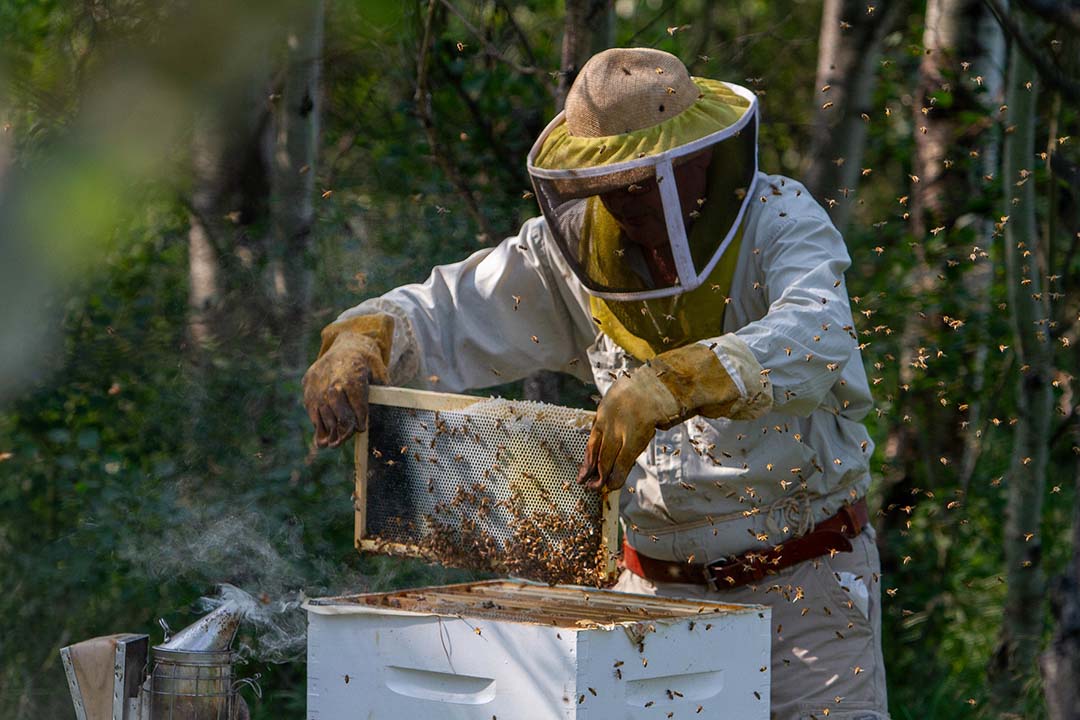
Bees share a surprising number of similarities to humans in their biological and social structures – which is why Dr. Sarah Wood (PhD, DVM) with the Western College of Veterinary Medicine believes they can be a model to study fetal alcohol spectrum disorder (FASD).
With funding from the Saskatchewan Health Research Foundation, Wood and graduate student Maria Janser will study bees in a hive setting, as well as the genetics of alcohol-exposed bees, to get a fuller understanding of FASD and its effects.