

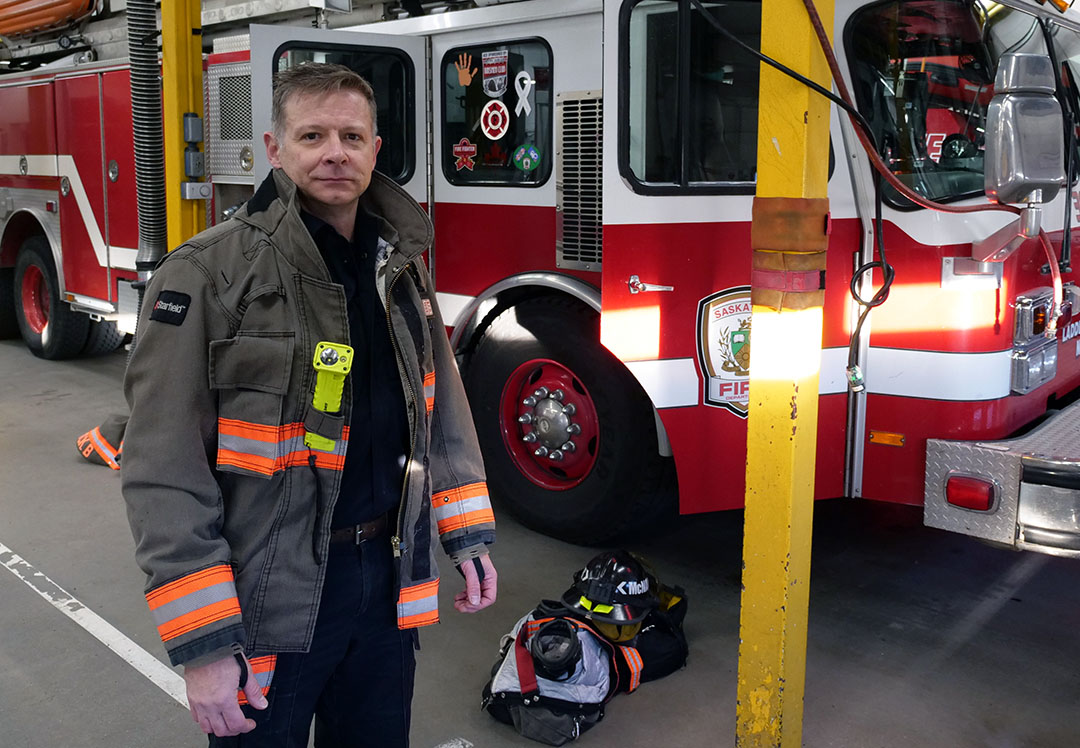
USask-City of Saskatoon project explores supports for firefighter mental health
Joel McNair understands what it’s like to deal with trauma as a frontline worker.
By Matt Olson, Research Profile and ImpactA firefighter in Saskatoon for more than 22 years, McNair has had to take time away from the job in the past to deal with post-traumatic stress disorder (PTSD) – which is one of many reasons he was so interested in a joint City of Saskatoon and University of Saskatchewan (USask) research project looking into how some of the city’s bravest deal with trauma.
“My hope is that this teamwork we’re going to have between USask and the Saskatoon Fire Department is going to effectively deliver our members the best help they can have,” he said.
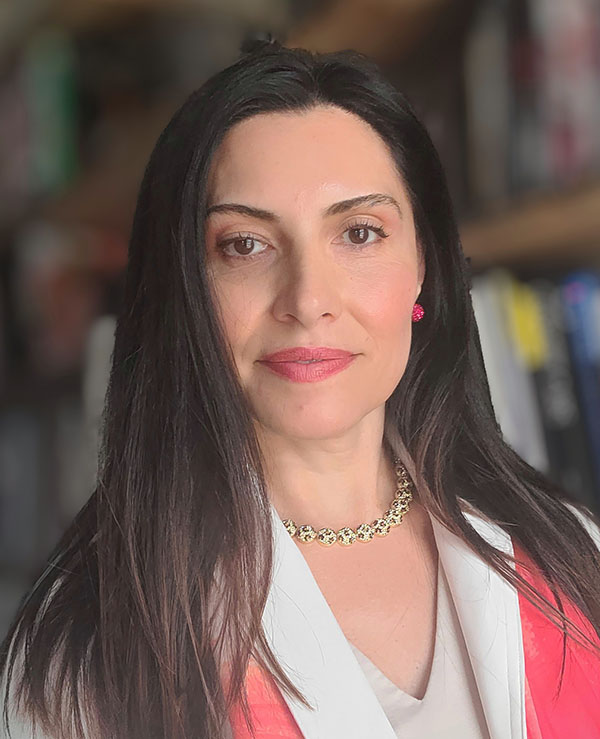
McNair and Dr. Camelia Adams (MD), a professor in the Department of Psychiatry, are the leads for the joint research project that will examine the state of mental health among members of the Saskatoon Fire Department (SFD) and evaluate the supports and strategies currently in place to help them.
Adams has long been interested in exploring trauma and mental health. She notes that first responders are at a particularly high risk for trauma-related disorders and are often trained to help others, but do not always find it easy to seek help for themselves.
The goal is to evaluate the current mental health of the SFD, determine what is working for mental health supports already in place, and how to fill any gaps that might be identified.
“The results will inform future approaches meant to enhance the resilience of firefighters and their families,” Adams said. “We want to see, what’s happening currently? What is helping and what is missing? How do fire fighters cope? What increases their resilience? How much do they access their supports? If the current supports are not enough, what do we need to do to improve them? Understanding the present will inform the future.”
This project is supported by USask’s Research Junction program, which connects City of Saskatoon experts with USask researchers to explore research topics of importance to Saskatoon residents.
Resources like peer support groups and Critical Incident Stress Management (CISM) protocols are readily available for members of the SFD to help deal with trauma as it occurs. As both McNair and Adams put it, it’s difficult to know how well the current supports in place work without some kind of detailed evaluation.
For this project, Adams and her team are employing a “mixed methods” approach by gathering data through surveying hundreds of members of the SFD and also having numerous focus groups with firefighters and their family members. By collecting quantitative and qualitative data, they will better understand the effectiveness of the tools that already exist for SFD members to deal with trauma and give them insights for future options.
“I very much enjoy my clinical work with victims of psychological trauma. It is rewarding to see people recover from traumatic experiences, gain strength and become more resilient,” Adams said. “I did feel the fire department would benefit from this understanding, and from an informed plan for the future needed help.”
McNair said having tangible research into the current state of mental health in the SFD and their resources would be a useful tool to take to the city or other government bodies to seek funding for mental health supports in the future.
“We can use these statistics to advocate for change, to advocate for better systems,” McNair said. “We can go not just to our management, but city council, provincial and federal bodies that have access to these problems and say ‘this is why we’re asking for help.’”
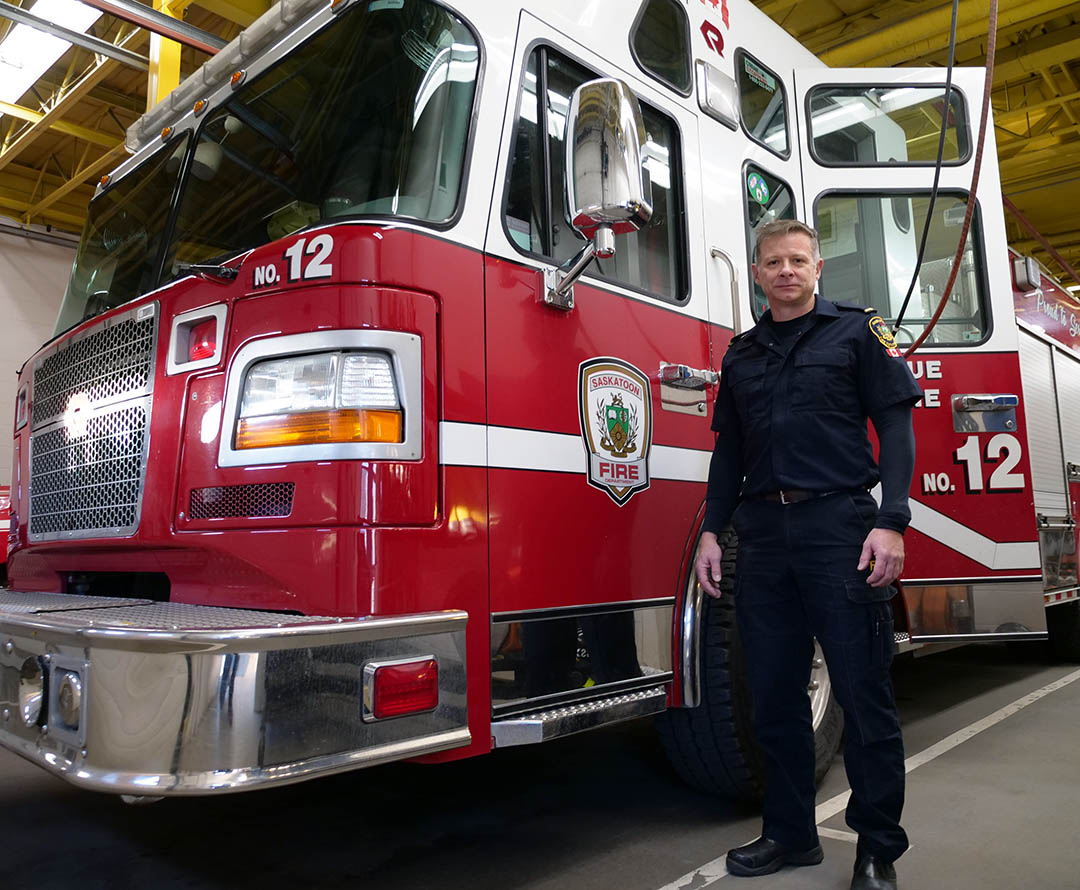
In addition to more than two decades as a firefighter, McNair has started studying psychology at USask with the goal of eventually becoming a psychologist so he can continue helping first responders.
McNair said if there’s any gap in the current supports, it’s in the building of resiliency among firefighters. He noted that younger SFD members come into the job with more openness to accessing mental health supports and said the collaboration with USask will hopefully get SFD the kind of mental health resources it needs.
For Adams, this kind of work is about helping people. She hopes this connection with the SFD will be something both ongoing and beneficial as they examine the results of this research and look ahead at possibly developing new supports for the fire department to access.
Adams lauded the Research Junction program for supporting this kind of mental health research, and lauded the fire department for its openness and willingness to pursue this work for its membership.
“It was truly remarkable to witness the openness of the fire department,” Adams said. “Our meetings were exceptionally productive, with members who were honest, engaged, and eager to collaborate with us as researchers. They wanted to better understand their experiences and stressors, learn more effective coping strategies, and spare no effort in enhancing the supports available for everyone’s benefit.”