USask research explores impacts of increasing wildfires on biodiversity
Wildfires are a common and growing risk across Canada, but a researcher from the University of Saskatchewan (USask) is highlighting how increasing wildfire activity influences biodiversity in northern Saskatchewan.
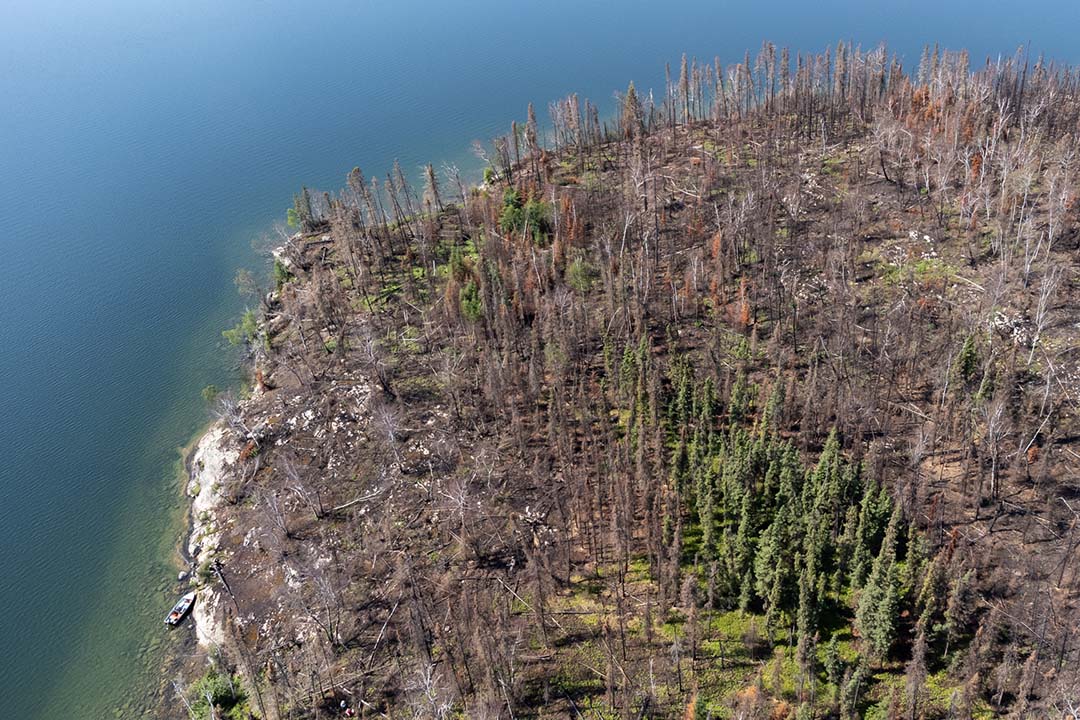
By Matt Olson, Research Profile and ImpactDr. Aaron Bell (PhD), a USask alumni, closely studied the biodiversity of birds, plants, and beetles on a series of lake islands in Lac la Ronge Provincial Park. These island ecosystems have burned at various times throughout the last 230 years, providing unique insights into how changing wildfire patterns are impacting biodiversity – or the variety of living things in a given area – on the nearby mainland.
Bell recently completed his PhD in biology in USask’s College of Arts and Science under the supervision of adjunct professor Dr. Iain Phillips (PhD) and supported by Dr. David Wardle (PhD) at Umeå University in Sweden.
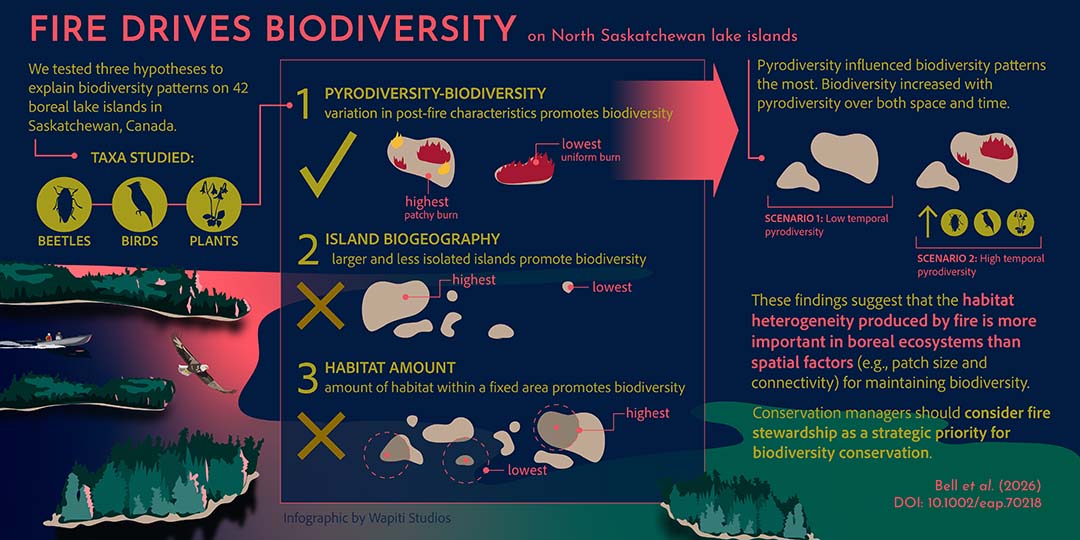
In his recently published research paper in Ecological Applications developed from his PhD research, Bell shared how the characteristics of wildfires help promote biodiversity by creating different habitats for a variety of species post-burn.
1: Changing fire regimes
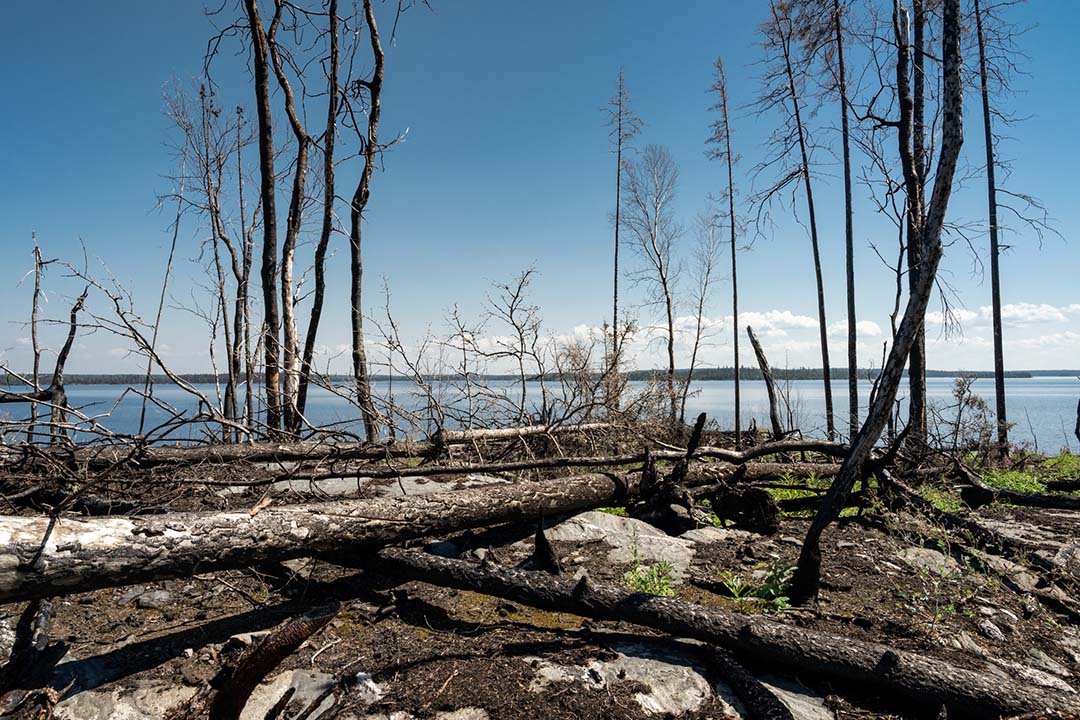
It’s believed that all types of wildfires, both big and small, can help support a wider range of plants and animals.
Known as the ‘Pyrodiversity-Biodiversity hypothesis’, this idea is based on the idea that areas or landscapes with greater variety in burn patterns support more biodiversity. This conservation theory suggests increasingly large and severe wildfires that have resulted from climate warming, fire suppression and loss of Indigenous fire management may be decreasing biodiversity.
“We have small fires, big fires, hot fires, fires under cooler spring conditions, and all of that inherent variation in those create habitat,” he said. “What we’re going to need to do is focus on managing or protecting areas that don’t burn or haven’t burned in a long time because there’s going to be unique species or distinct habitats only found in those areas.”
With the increase in wildfires in recent years, as well as an increase in the size and heat of those fires, Bell said some of these “old growth” environments are at risk and need to be considered for protection.
2: “Old growth”
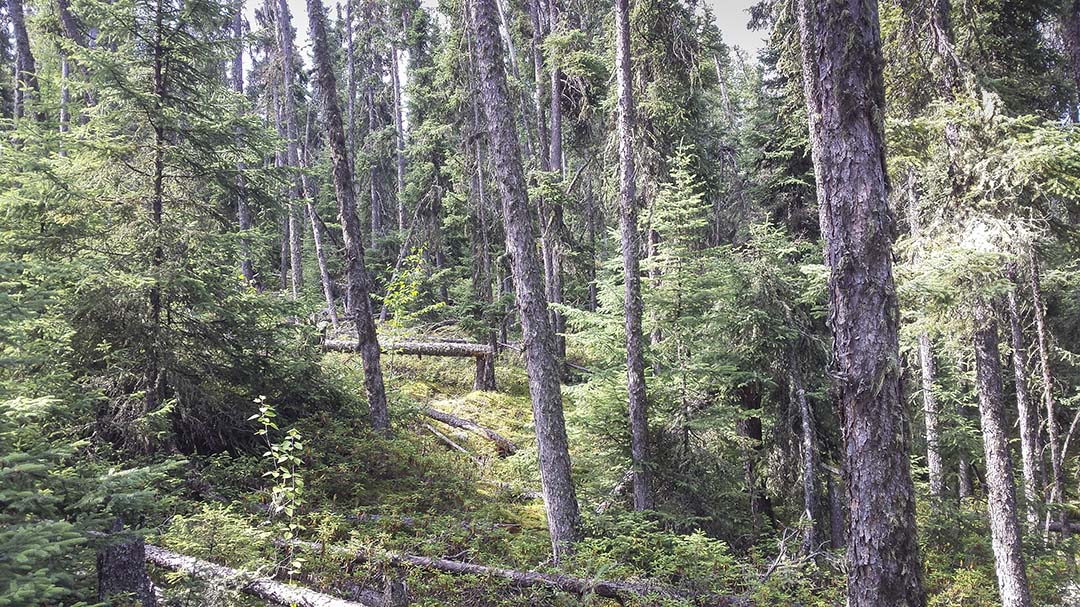
Islands, by their nature, have something of a natural defence against fires — they’re surrounded by water.
And while that might seem obvious, Bell said fire can absolutely jump from the lakeshore to some of these lake islands, which makes the ones that have avoided fire for so many years all the rarer.
But those old growth areas aren’t limited to just islands. There are small pockets of old growth forests scattered throughout the mainland that are becoming increasingly scarce due to increasing wildfire activity.
Bell’s findings suggest that it’s variations in fire that help drive biodiversity – different areas burning at different intensities leading to a variety of habitats to rise out of what remains. Large, blanketing fires that burn everything down all at once reduce that variation and reduce overall biodiversity.
Like on the islands, “old growth” habitats are more likely to survive near large bodies of water that help them resist wildfires and dampen the effects of drought. Bell emphasized that the numerous large lakes in northern Saskatchewan, and across the boreal forest, may help fire managers protect old growth from big burns.
3: Birds and beetles
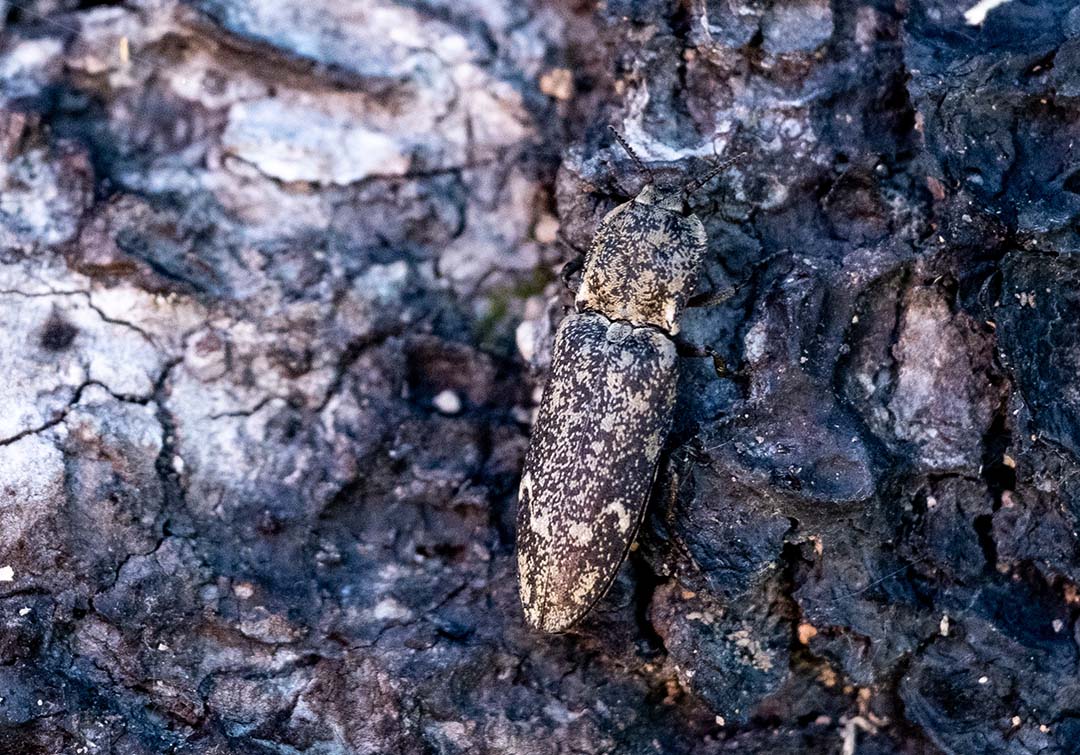
Wildfires have a variety of effects on birds, with one of the most prevalent being the availability of nesting sites.
As Bell puts it, multiple different layers of the forest canopy can be wiped away by fires, affecting which kinds of birds can return to nest.
But while some bird species struggle in the wake of wildfires, others find more success. Bell noted that birds like woodpeckers can benefit post-fire due to increased access to some of their favourite food: wood-boring beetle larvae that colonize trees and stumps killed by wildfires.
Bell’s published study documented more than 50 bird species, 100 species of plants, and more than 460 different kinds of beetles on the islands, highlighting the biodiversity that occurs across differently aged forests.
4: The plants left behind
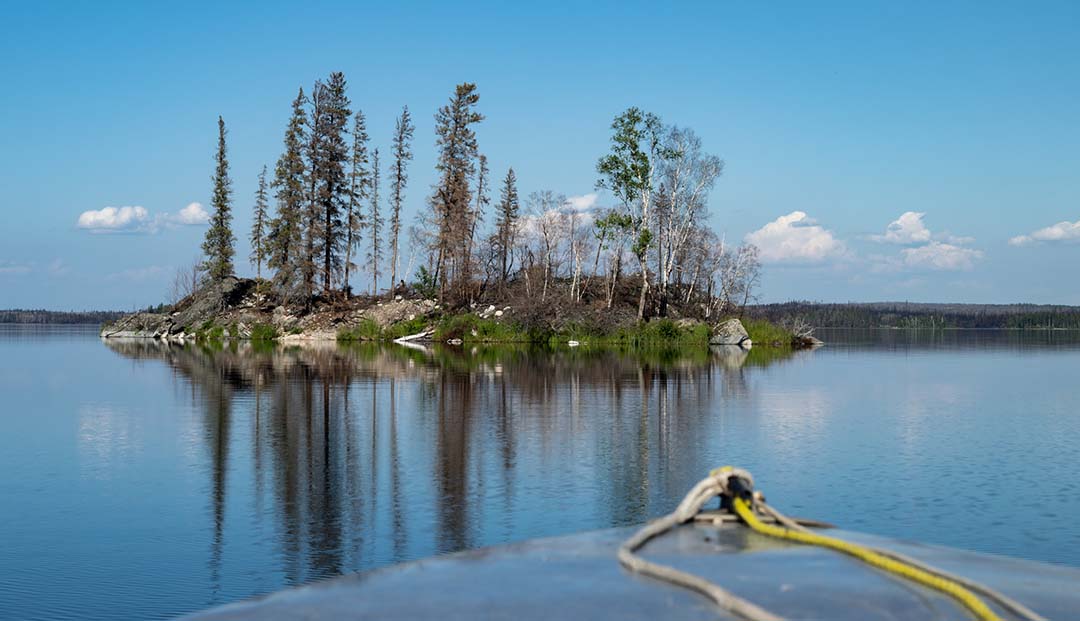
Because wildfires in the boreal forest tend to burn away most tree cover, Bell said some of the highest levels of plant biodiversity emerge immediately following a fire, when light availability is highest.
When tree cover is removed, it allows sunlight to penetrate much lower than usual – meaning many different species of plant life are able to flourish, as well as fire-adapted insects.
Plant diversity tends to be lower in areas of old growth due to lower light availability, thick carpets of moss, and other factors that prevent some plants from establishing. These older forests support plants that require long periods of time without fire.
“You’ve got this open landscape; you’ve got new habitats. Fire is the big driver of change. All these different organisms are responding to different aspects of the fire,” Bell said. “Many of these species have co-evolved with fire for thousands of years, so it makes sense they would be adapted and resilient to it in some respects.”
5: The burning question
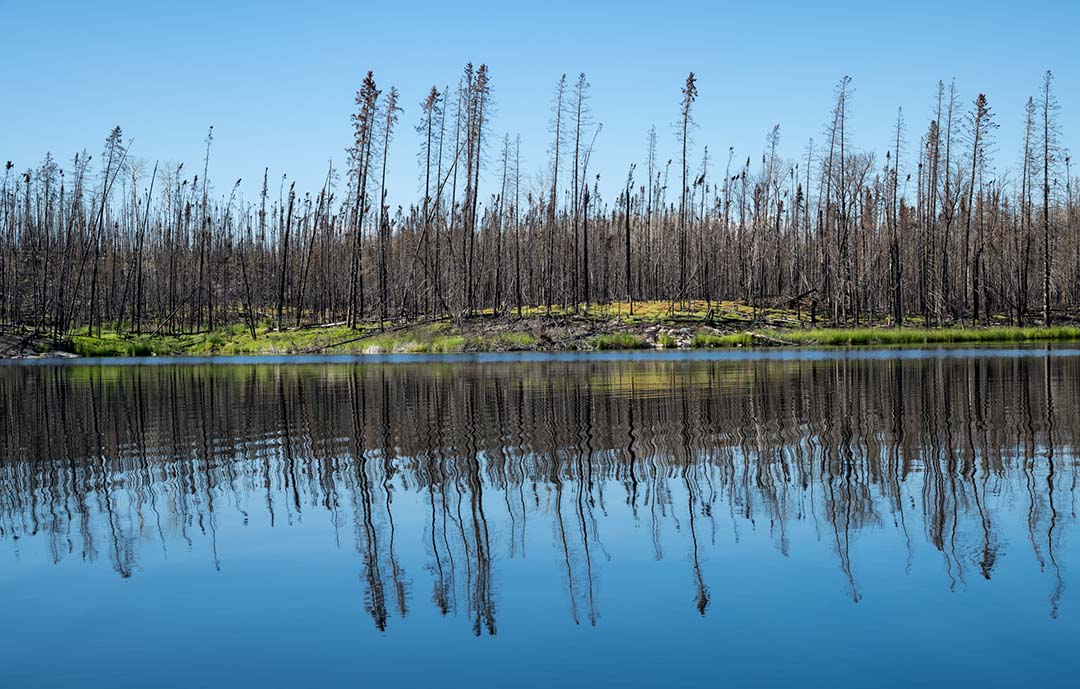
If the question was as simple as “are fires a good thing?”, the answer is unfortunately not so straightforward.
Yes, fires contribute to biodiversity in the boreal forest – more so than some other theories, per Bell’s research – but the characteristics of wildfires are changing. Keeping people, communities, and infrastructure near wildfires safe is also crucial as the size and scope of fires increases over time.
The research by Bell and his colleagues highlights the importance of protecting the older growth areas and biodiversity from increasingly large and severe wildfires into the future.
“Especially in wild places in the boreal forest, fire is driving biodiversity,” Bell said. “Although we suppress fires when they come close to a community, we do not currently manage wildfires for biodiversity. Considering our findings, and the ongoing biodiversity crisis, I think that should probably change.”