

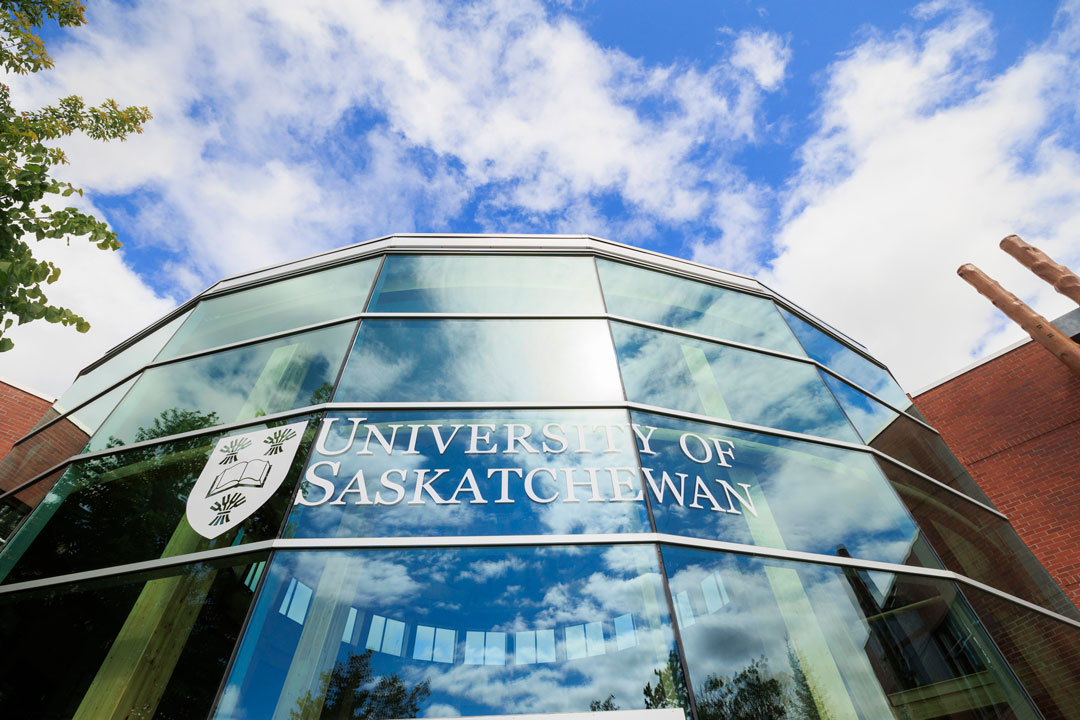
Take 5: Five facts about USask’s Prince Albert campus
Since opening in 2020, the campus hub has brought academic programming into a single site in the city of Prince Albert
By SHANNON BOKLASCHUKDid you know that the University of Saskatchewan (USask) has a campus in Prince Albert, the province’s third-largest city?
Located on Central Avenue in the downtown area, the Prince Albert campus brings together, in a single location, USask educational programming that previously took place at various sites across the city. Purchased and renovated in 2020, the opening of the central Prince Albert campus was an essential step in demonstrating USask’s commitment to providing high-quality post-secondary education to Indigenous and northern communities, with the campus offering learners unique opportunities to achieve their educational goals closer to home.
Dr. Jay Wilson (BA’89, BEd’95, MEd’00, EdD, MBA’21), a USask graduate and the first principal of the Prince Albert campus, said some of the strengths of the campus are its smaller size and its sense of community. There are currently about 500 full-time USask students studying in Prince Albert, with the updated total for the 2026-27 academic year to come in October during the annual fall census day. The intimate, welcoming environment in Prince Albert can help ease the transition to post-secondary education for students from rural and northern areas of the province.
“It has that kind of continuous support, continuous family feel,” Wilson said of the campus, in a recent interview with the Green&White.
USask graduate Rob Procyk (BA’96, CACE’97), campus lead and academic advisor of direct-entry programs, says the Prince Albert campus has grown significantly since opening in 2020 with a staff of two. He recalls being the only staff person in the building during the COVID-19 pandemic; now, the Prince Albert campus is a bustling place that has “a robust complement of staff” and many supports and services for students, he said.
“It’s kind of mind-blowing to think of how much has changed in five years,” said Procyk.
Here are five things to know about USask’s Prince Albert campus.
1. Students can start, and in some cases complete, a variety of degree programs in Prince Albert.
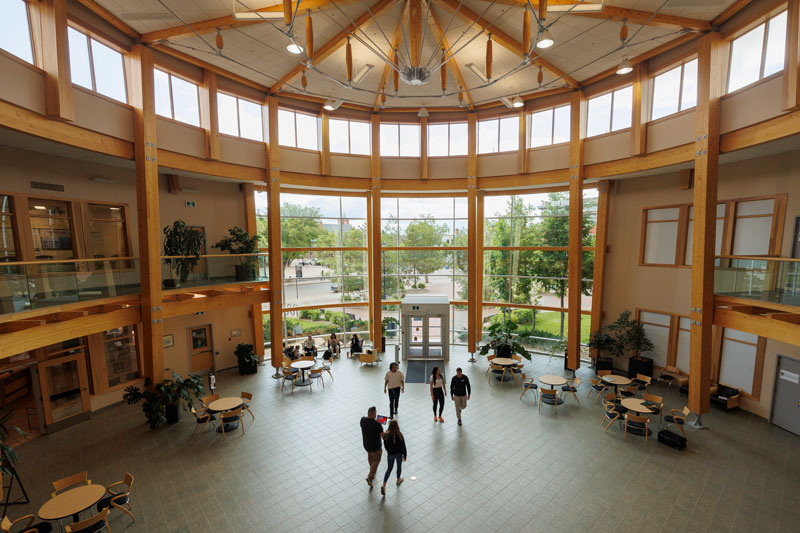
For example, students in Prince Albert can begin their studies toward degrees from USask’s College of Agriculture and Bioresources, College of Arts and Science, College of Education, College of Kinesiology, and Edwards School of Business. They can also begin their pre-professional studies by taking the university classes that are required for admission to a variety of professional programs, such as dentistry, law, medicine, nutrition, pharmacy, physical therapy, veterinary medicine, and more.
The College of Nursing offers the full Bachelor of Science in Nursing (BSN) program at the Prince Albert campus. Additionally, the College of Nursing uses a distributed learning approach for all graduate programs, enabling students to learn where they live. That means students can complete their Master of Nursing (MN), Master of Public Health Nursing (MPHN), Nurse Practitioner (MN-NP), and Doctor of Philosophy in Nursing (PhD) degrees in Prince Albert.
Students in Prince Albert can also complete the Bachelor of Science in Dental Therapy [B.Sc.(DT)] program, which is offered by the USask College of Dentistry in partnership with the Northern Inter-Tribal Health Authority (NITHA), Saskatchewan Polytechnic, and Northlands College. The dental therapy program uses cutting-edge technology with haptic dental simulators in four campus locations in Saskatchewan (Saskatoon, La Ronge, Prince Albert, and Regina). Delivered through a synchronous hybrid model, lectures, seminars, and presentations are taught live from one campus and simultaneously streamed to students at the partner campuses, ensuring that students in Prince Albert receive the same quality educational experience as those at all other sites.
2. Students can complete two certificate programs in Prince Albert: the Kanawayihetaytan Askiy certificate and the Foundational Pathways in Arts and Science certificate.
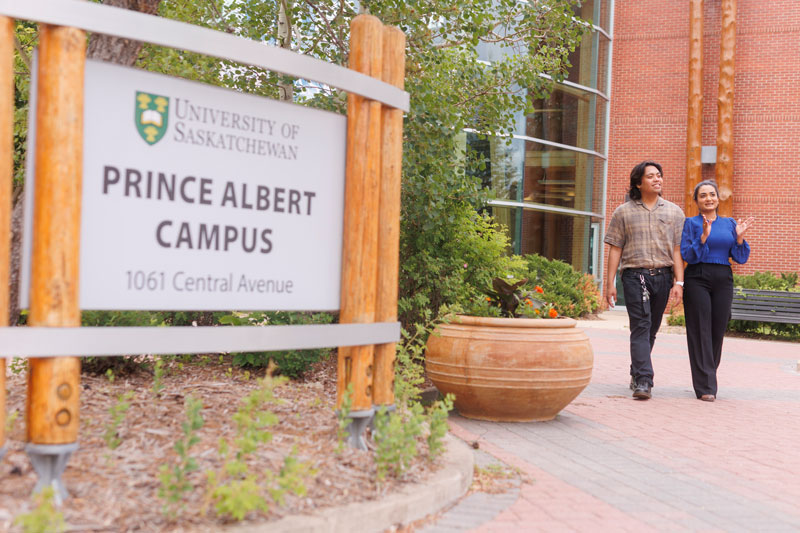
Kanawayihetaytan Askiy means “let us take care of the land” in Cree. Developed in collaboration with First Nations, the Kanawayihetaytan Askiy certificate—which is offered by the College of Agriculture and Bioresources—examines environmental, legal, and economic aspects of land and resource management in Indigenous communities. Students can take the courses for the certificate at USask’s Prince Albert campus, without having to travel to the main campus in Saskatoon.
The College of Arts and Science has also introduced a new certificate program that will open possibilities for university students in Prince Albert and in Saskatoon, as well as at regional colleges in Saskatchewan that offer USask Arts and Science courses. The Foundational Pathways in Arts and Science certificate is designed to capture the course areas that are needed for all Arts and Science programs—setting up students for success if they continue into a degree program. The certificate can be both started and completed in Prince Albert.
3. The Prince Albert campus offers learning, wellness, and cultural supports to USask students.
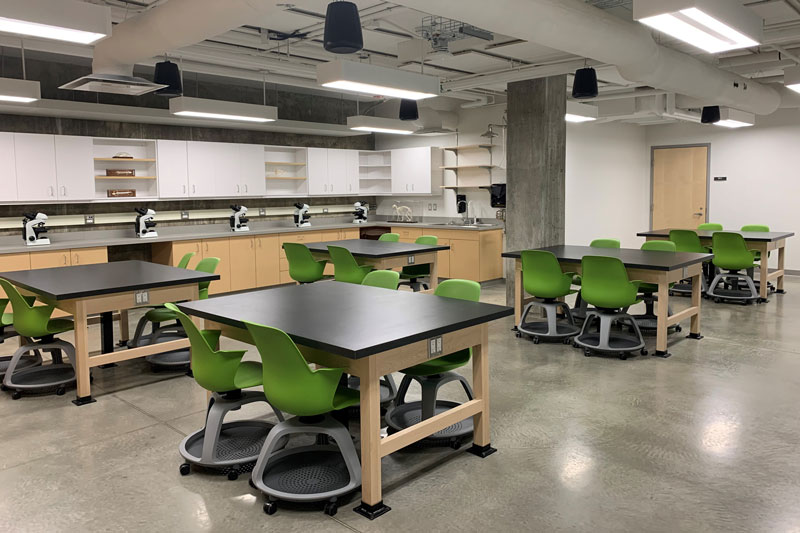
Students taking classes at the USask Prince Albert campus have access to free on-campus learning supports. For example, the Prince Albert Campus Distance Writing Centre provides tools to help students write effective essays, reports, and reviews. Meanwhile, students can meet with counsellors in person or virtually, and USask Student Wellness Centre nurse practitioners (NPs) are available at the Prince Albert campus on a part-time basis to assess, diagnose, and treat most physical and mental health conditions.
Wilson noted that Indigenous peoples comprise 44 per cent of the population of Prince Albert, and the USask Prince Albert campus offers supports and programming with that in mind. For example, Procyk works with the staff at the campus to support cultural programming during Indigenous Achievement Week and throughout the academic year. In Prince Albert smudges are held on Mondays at 12:15 p.m. and on Tuesdays at 9:30 a.m. in the Gathering Space on the campus, and everyone is welcome. Smudging is also available to students upon request.
Procyk noted that USask graduate Dr. Kathleen McMullin (BEd’88, MEd’95, PhD’24), an Indigenous student advisor and Cree Knowledge Keeper for the College of Nursing in Prince Albert, organizes sweats and Grandmother Moon ceremonies for students and staff to attend.
“We are very fortunate to have Dr. Kathleen McMullin on staff,” said Procyk. “She graciously, for our campus, will offer daily smudging.”
Wilson added that the Prince Albert campus has a “really strong connection” with the staff in the Office of the Vice-Provost Indigenous Engagement (OVPIE) at USask. This relationship also benefits the students in Prince Albert.
“They (OVPIE) have continued a really great trend of student activity and leadership and opportunity on the campus,” Wilson said. “Last year, they came on a regular basis and did workshops for Indigenous students.”
4. The Prince Albert campus offers health services to the citizens of Prince Albert and area.
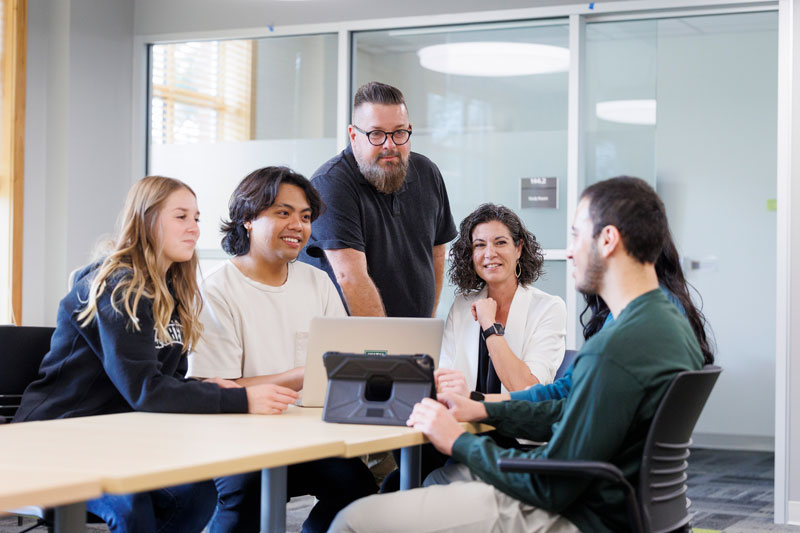
USask’s Prince Albert campus strives to be a partner in the community, offering key health services to residents of the city and nearby rural and northern communities. For example, the Bachelor of Science in Dental Therapy program, which is offered in Prince Albert, focuses on dental care for all Canadians. As a result, the Prince Albert Campus Dental Therapy Clinic is open and accepting new patients. Dental work, such as checkups, X-rays, and fillings, can be received at the clinic, and all dental work is performed by USask dental therapy students under the supervision of licensed dental therapists.
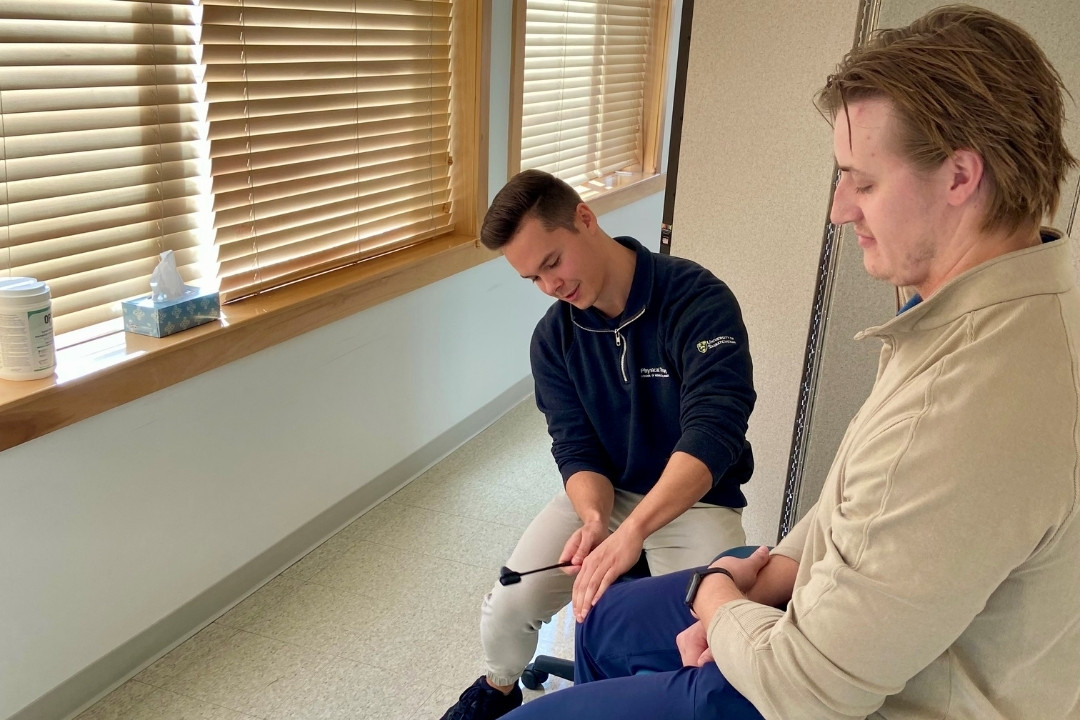
In 2025, a student-led rehabilitation clinic was established at USask’s Prince Albert campus. The new clinic is part of a recent expansion in the USask School of Rehabilitation Science, which increased the number of students and clinical placements for the Master of Physical Therapy (MPT) program. Students in the clinic can now provide care for a range of health conditions, including osteoarthritis and back pain, as well as health promotion, injury prevention, and ergonomic education. The services are provided free of charge, which helps to reduce barriers for people needing access to physical therapy care.
The addition of the rehabilitation clinic to the Prince Albert campus aims to increase the number of student placements in northern communities—areas that typically have higher physical therapy vacancy rates. The clinic also supports interdisciplinary learning with students in other health-care programs offered on the Prince Albert campus, such as nursing and dental therapy.
Wilson said the physical therapy clinic, which has been successfully running for one year, has benefited both students and community members alike.
“It’s really neat,” he said. “It’s brought new people into our building who would not normally come.”
5. The first memorandum of understanding (MOU) between the City of Prince Albert and USask was signed earlier this year.
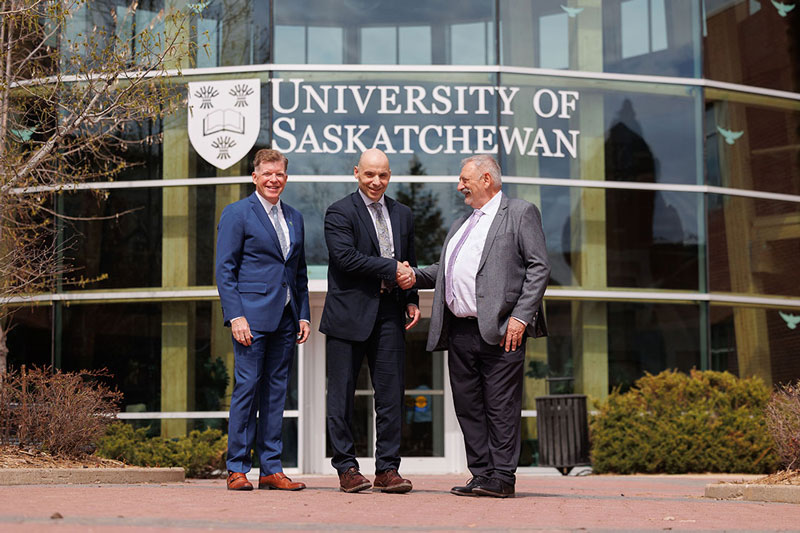
The agreement, which was signed on May 19, 2026, commits to bringing university expertise and community priorities together to support the residents of Prince Albert. The MOU outlines a shared commitment to improving community and residential development, transportation, health and wellness, and recreation.
A working group will now meet regularly to help identify joint projects, and the MOU will be reviewed every four years.
"I believe the success of the MOU will be measured by city and university partners being comfortable reaching out to one another when an opportunity or problem pops up, and working together to find solutions,” Wilson said in a news release. “It means leveraging each other’s strengths to solve problems more effectively and efficiently, ultimately improving the quality of life for people in Prince Albert.”
Article re-posted on .
View original article.