

Joint USask-City of Saskatoon research explores changing housing landscape
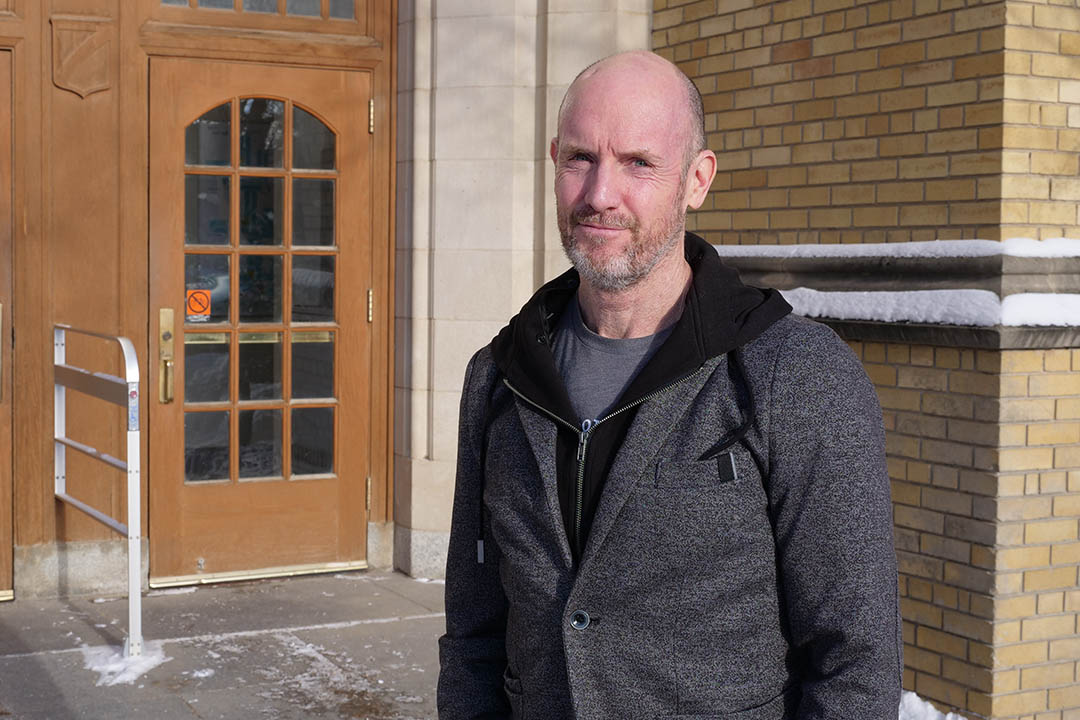
Dr. Scott Bell (PhD) has lived in Saskatoon for more than 25 years.
By Matt Olson, Research Profile and ImpactHaving watched the city grow for the past quarter century has given them a deep understanding of Saskatoon neighbourhoods and their unique needs. This experience has been beneficial as they lead a research project to better understand the changing dynamics of Saskatoon’s population demographics and housing landscape.
“This project is about how the federal government’s funding of infrastructure projects in Canadian cities is going to transform cities across the country,” said Bell, a professor in the Department of Geography and Planning in the University of Saskatchewan (USask) College of Arts and Science.
Bell is working with the City of Saskatoon to explore how housing development is changing as Saskatoon’s infrastructure continues to evolve. Specifically, Bell’s current project is looking at population density, utilities, and services along the transit corridor as the city continues to build infrastructure for Saskatoon’s upcoming bus rapid transit system, called Link.
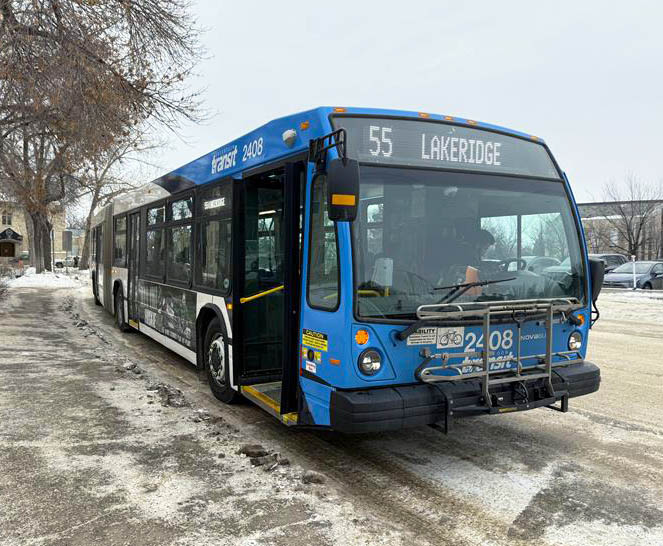
The project is supported by the Research Junction program, which creates collaborations between the City of Saskatoon and USask to conduct research benefiting Saskatoon citizens by tackling contemporary issues. The research project aims to give the City of Saskatoon a snapshot of what both populations and housing could look like in the near future, helping inform the growth, development, and zoning of Saskatoon housing along the Link path.
The Link system, slated to come into use in 2028, has already spurred infrastructure change in Saskatoon with substantial funding support from the provincial government and the Government of Canada through the Housing Accelerator Fund (HAF), a federal program designed to support housing development projects.
“One of the aspects of the HAF was a transformation of how the city designates areas for future development or redevelopment, such as changing the planning designation along Link routes to allow for development that will increase the density of housing,” Bell said. “We’re interested in how many more people could live there and what the urban landscape would look like if the lots and properties that could potentially be redeveloped indeed are redeveloped.”
Bell said the construction of Link infrastructure has spurred conversation and interest for Saskatoon residents, pointing to the extremely well-attended public hearings regarding planning changes, in light of the Link system and how it may affect city neighbourhoods.
In addition to the Link system, housing development and population demographics for the city have a direct impact on services, both those provided and those available in nearby areas to new developments. For example, high-density housing development near Link bus stops could result in more locally available and better used amenities, but then there are utilities questions like water and power for that type of development that would need to be considered.
Tyson McShane, the manager of Long Range Planning with the City of Saskatoon’s Department of Planning and Development, is supporting the project from the city’s side and will help facilitate data collection and co-ordination as well as looking for how to use this data for future municipal planning and policy.
McShane said gaining as much data as possible on changes that may result from transit investments and policy changes can provide important insights into the future of city planning.
“You start layering those things on and suddenly you start seeing where there is a new evolution to how our city works that can work for a lot of people, can take advantage of existing infrastructure, and really create a city that is more affordable and provides more options,” McShane said.
As the City of Saskatoon continues to grow and plan for future growth, McShane said it’s crucial to be able to connect with residents with clear information about why the city makes certain decisions.
He hopes this Research Junction project will help provide data that can help them better communicate to residents about the changes that Saskatoon is undertaking when it comes to developing new housing and the Link system, and the pace and cost of those changes.
“The more information we have on what the real potential for change is, and the pace of that change, helps,” McShane said. “Hopefully it will allay concerns in the community, but it also helps to make sure we have the right information to share with City Council and share with the public when they are making significant decisions, whether it’s an individual deciding on where to live or council debating a major development decision.”
Bell said this research will help inform decision-making about future housing projects, with input from Saskatoon residents.
“We are interested in how cities are communicating to their communities as they go through these processes. How are these processes being packaged, described and explained to residents in Saskatoon, and in other cities?” they said.